
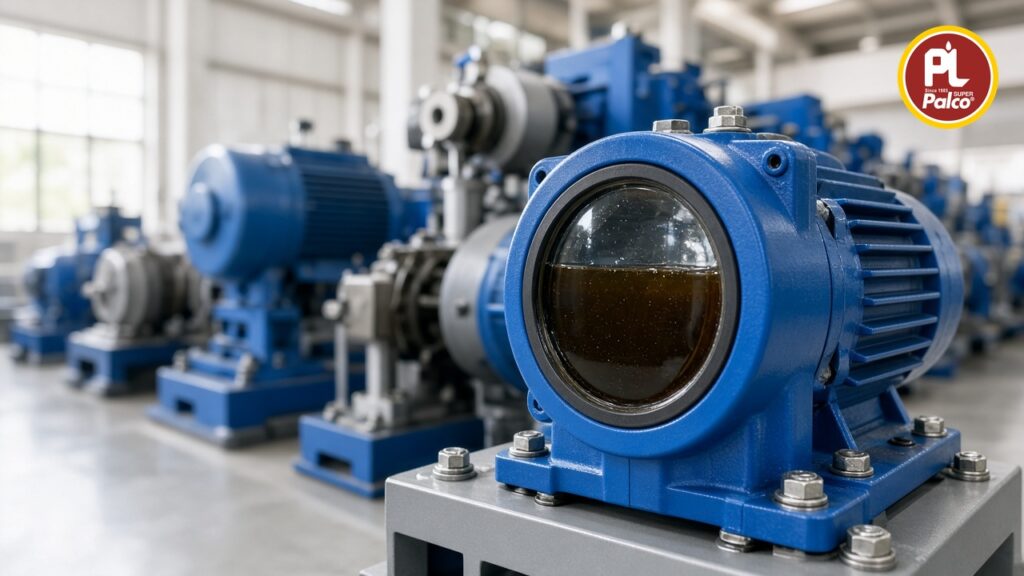
Learn how lubricant contamination shortens machine life, what causes it, and practical steps to protect oil and equipment in industrial plants.
In industrial plants, commercial vehicle fleets, construction equipment, and manufacturing units across India, lubricants are frequently treated as a routine consumable. They are changed on a fixed calendar or hour-based schedule, or only after a noticeable drop in performance. What often goes unnoticed is the gradual damage caused by lubricant contamination building up inside the system, long before the oil is due for a change. Dust, water, and fuel dilution are three of the most common contaminants in Indian operating environments, and together they quietly shorten both lubricant life and machine life.
Why Lubricant Contamination Matters More Than Most Teams Realise
Lubrication is often viewed simply as the process of reducing friction. In reality, a lubricant must also control heat, carry away wear particles, protect surfaces from corrosion, and maintain a stable film under varying loads and temperatures. When contaminants enter the system, they interfere with each of these functions. The damage does not usually appear overnight. Instead, it develops gradually through higher wear rates, elevated temperatures, reduced efficiency, and eventual component failure. By the time the problem becomes obvious, the cost in downtime, repairs, and lost production is already significant. Choosing the right lubricant is only one part of equipment protection; keeping contamination under control is also essential.
The Three Most Common Contaminants in Indian Conditions
Dust and Abrasive Particles
Dust is one of the most persistent contaminants in Indian conditions. Construction sites, mining operations, agricultural work, roadside workshops, and many manufacturing plants operate in environments where fine dust is constantly present. This dust enters lubricant systems through breathers, worn seals, poorly fitted fill caps, and open reservoirs. Once inside, hard particles circulate with the oil and act as abrasives between moving surfaces. Bearings, gears, hydraulic pumps, and piston rings are particularly vulnerable. Even particles small enough to pass through standard filters can cause micro-abrasion that accumulates over time. The result is accelerated wear, increased clearances, and a progressive loss of efficiency that is difficult to attribute to any single event. In these environments, effective filtration, contamination control, and lubricant compatibility with the equipment are important for reducing particle-related wear.
Water Contamination
Water contamination is equally damaging, though it often receives less attention. In many parts of India, high humidity, monsoon conditions, and temperature fluctuations cause condensation inside reservoirs and crankcases. Water can also enter through cooler leaks, damaged seals, or improper storage of oil drums left outdoors. Once mixed with lubricant, water reduces the strength of the oil film, promotes rust and corrosion on metal surfaces, and can cause certain additives to separate or become less effective. In engines and gearboxes, emulsified water creates sludge that restricts oil flow and raises operating temperatures. Water contamination can impair hydraulic fluid performance and contribute to corrosion, wear, or pump and valve problems. The effects depend on the system and the amount and state of the water. Because water is not always visible in the oil, many maintenance teams continue operating until performance has already declined. When selecting a lubricant for humid conditions, check the product data for water separation and corrosion-protection characteristics.
Fuel Dilution
Fuel dilution is a third common issue, especially in engines used under Indian driving and duty cycles. Frequent short trips, prolonged idling, or injector and combustion problems can allow unburnt fuel to pass the piston rings and enter the sump. Diluted oil loses viscosity, which means it forms a thinner film under load and offers less protection to bearings and camshafts. Fuel also reduces the oil’s ability to control heat and can accelerate oxidation. In commercial fleets and generator sets that run for long hours, the cumulative effect of dilution is higher wear rates and a shorter useful life of the lubricant, even when the oil change interval has not yet been reached. Oils engineered with robust additive packages help resist this thinning longer, giving operators more margin before protection is compromised.
How Lubricant Contamination Builds Over Time
The combined presence of dust, water, and fuel dilution creates a cycle that is self-reinforcing. Contaminated oil runs hotter, oxidizes faster, and generates more wear particles. These particles, in turn, act as catalysts for further degradation and can clog filters, restricting flow to critical components. Over time, the lubricant’s protective additives are depleted more quickly than the manufacturer intended. What appears to be a normal oil change interval on paper becomes inadequate in practice once contamination is taken into account. Extending drain intervals without monitoring these factors is one of the most common ways machine life is quietly reduced.
Signs of Lubricant Contamination
Possible signs that contamination may be affecting the system include
- Rising operating temperatures without a clear mechanical cause
- Faster-than-usual darkening or thickening of the oil
- Increased filter clogging or frequent bypass events
- Higher noise or vibration from bearings and gears
- Gradual loss of pressure or power in hydraulic and engine systems
These signs can have several causes. Compare them with equipment operating data and oil analysis results before deciding on corrective action.
The Role of Filtration
Filtration plays a central role in breaking this cycle. A properly maintained filtration system removes solid particles before they can circulate and cause abrasive wear. Conventional particulate filters are designed mainly to remove solid contaminants; they are not designed to remove fuel dilution or all forms of water contamination. Filters can also lose effectiveness if they are bypassed, damaged, or left in service too long.
Oil analysis, where available, helps assess contamination levels, viscosity changes, and lubricant condition. Interpret the results with guidance from the equipment manufacturer or lubricant supplier before deciding on corrective action. Regular filter inspection and timely replacement are also important. In plants with high dust loads and long operating hours, filters may need more frequent checks. Even a high-quality lubricant cannot fully protect equipment when filtration is neglected. For diesel-powered equipment, pair the correct oil—such as PALCO diesel engine oils for heavy-duty applications—with disciplined filter maintenance, following the equipment manufacturer’s recommendations.
Why Change Intervals Must Reflect Real Conditions
Correct change intervals are equally important, but they should be based on actual operating conditions rather than a fixed calendar alone. Where available, use oil analysis results alongside actual operating conditions and equipment-manufacturer guidance to set suitable change intervals. Where laboratory analysis is not practical, simple on-site checks for water, unusual odor, or rapid darkening of the oil can still give useful early warnings. In high-dust or high-humidity environments, or in engines that experience frequent short trips, intervals often need to be shortened. Conversely, clean systems with effective filtration and consistent operating conditions can sometimes support longer intervals without sacrificing protection. The goal is not simply to change oil more frequently, but to change it at the point where contamination begins to outweigh the lubricant’s remaining protective capacity.
Storage and Handling Practices That Reduce Contamination
Storage and handling practices also influence contamination levels before the lubricant ever reaches the machine. Drums left open or stored outdoors collect dust and moisture. Transferring oil through dirty funnels or hoses introduces particles that the filtration system must then remove. These upstream sources of contamination are often overlooked, yet they account for a significant portion of the debris that later circulates in the system. Keeping containers sealed, using clean transfer equipment, and following the lubricant supplier’s guidance for drum storage and dispensing are straightforward steps that reduce the load on both the lubricant and the filters.
Simple practices that make a measurable difference:
- Store drums indoors or under cover, away from direct sunlight and rain.
- Keep bungs and caps tightly closed when not in use
- Use dedicated, clean transfer pumps or funnels for each lubricant type.
- Inspect seals and breathers regularly for damage or blockage.
The Long-Term Effect on Equipment Reliability
The cumulative effect of these practices is measurable in equipment reliability. Machines running on cleaner lubricant experience lower wear rates, more stable operating temperatures, and fewer unplanned stoppages. Bearings last longer, hydraulic components maintain tighter clearances, and engines retain compression and power for more hours. The cost of improved filtration, slightly shorter intervals in severe conditions, and better storage is often lower than the cost of premature component replacement and lost production. Over years of field experience, manufacturers such as Palco have seen that customers who treat contamination control as part of a lubrication strategy, rather than an afterthought, achieve more consistent results across both automotive and industrial applications.
Conclusion
In Indian operating environments, controlling lubricant contamination from dust, humidity, and variable duty cycles is just as important as choosing the right lubricant. A well-chosen product provides the necessary film strength, additive protection, and thermal stability. Keeping that product free of excessive dust, water, and fuel dilution allows it to deliver that protection for its full intended life. When contamination is allowed to accumulate unchecked, even the best lubricant is forced to work under conditions it was not designed for, and machine life is quietly reduced long before any obvious failure occurs. Attention to filtration, condition-based intervals, and basic handling discipline therefore remains one of the most effective ways to protect equipment. Many basic controls, such as sealed storage, clean transfer equipment, and regular inspections, can be introduced without major capital investment; filtration upgrades may require additional investment.