
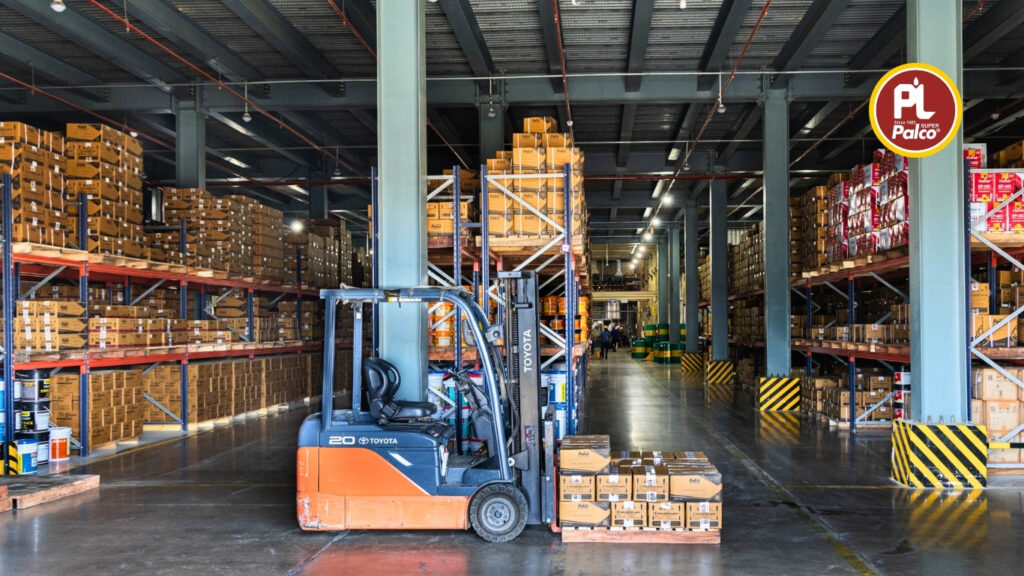
See how the lubricant supply chain affects product availability, quality, and business operations in today’s fast-changing market.
When we talk about lubricants, Lubricant Supply Chain Impact is often overlooked, yet it plays a critical role in viscosity stability, engine protection, and overall brand quality. Behind every lubricant performance lies a complex supply chain that influences raw materials, production consistency, and final product reliability.
From base oil sourcing to additive availability, from blending timelines to delivery schedules, every step in the lubricant supply chain plays a direct role in how your engine oil performs.
And in today’s global environment, supply chain delays are no longer rare. They are becoming part of the industry reality.
What Happens Before Lubricant Reaches Your Engine
A finished lubricant is not just a simple product. It is a combination of:
- Base oils (Group I, II, III, synthetic base oils)
- Additive packages (anti-wear, detergents, dispersants, viscosity modifiers)
- Blending precision and quality control processes
- Storage and transportation conditions
If any one of these stages is delayed or disrupted, it starts affecting the final product — sometimes in ways that are not immediately visible.
This is where lubricant manufacturing and supply chain management become critical.
Lubricant Supply Chain Impact on Raw Materials & Quality
1. Raw Material Delays Impact Lubricant Quality
One of the biggest challenges in the automotive lubricant industry today is inconsistent availability of raw materials.
Base oils are directly linked to global crude oil prices and refining capacities, while additives often come from specialized global suppliers.
When supply chain delays occur:
- Manufacturers may face limited base oil availability
- Additive shipments may get delayed due to logistics bottlenecks
- Formulation consistency becomes harder to maintain
In such situations, manufacturers who lack strong sourcing systems may be forced to compromise, either on timelines or on formulation stability.
This directly impacts:
- Engine oil performance
- thermal stability of lubricants
- wear protection capability
2. Delayed Additives = Compromised Performance Balance
Additives are what make a lubricant “high-performance.”
Without the right additive package, even a good base oil cannot deliver:
- Proper oxidation resistance
- Effective engine cleanliness
- Long-term anti-wear protection
Supply chain disruptions in additive availability can lead to:
- Production delays
- Reformulation pressure
- Inconsistent batch performance
For end users, this may translate into:
- Faster oil degradation
- Reduced engine protection
- Lower fuel efficiency
This is why consistent additive sourcing is one of the most critical aspects of lubricant quality control.
3. Lubricant Supply Chain Impact on Storage & Transit Stability
Even after production, the journey is not over.
Lubricants are sensitive to:
- Temperature fluctuations
- Moisture exposure
- Extended storage periods
Supply chain delays during transportation or warehousing can result in:
- Changes in viscosity stability
- Risk of contamination in industrial lubricants
- Reduced shelf-life performance
For example, a lubricant stored longer than planned under fluctuating conditions may not perform exactly as intended when it finally reaches the engine or machinery.
4. Lubricant Supply Chain Impact on Industrial Maintenance Cycles
From a customer’s perspective, supply chain delays don’t just affect product quality, they affect operations.
In industries like:
- Fleet management
- Manufacturing plants
- Heavy machinery operations
delayed lubricant supply can lead to:
- Missed lubrication schedules
- Use of alternative or incorrect oil grades
- Increased equipment downtime
This ultimately impacts:
- preventive maintenance through lubrication
- machine efficiency
- overall operational cost
5. Price Fluctuations and Their Hidden Impact
Supply chain disruptions also lead to price volatility in lubricants.
When raw materials are delayed or limited:
- Procurement costs increase
- Production planning becomes uncertain
- Market prices fluctuate
In some cases, low-cost alternatives enter the market, often compromising on quality.
This is where the difference between a reliable lubricant manufacturer and an opportunistic supplier becomes very clear.
Why Strong Supply Chain Matters More Than Ever
A well-managed supply chain ensures:
- Consistent engine oil quality
- Stable lubricant performance across batches
- Timely availability for customers
- Reliable long-term engine protection
Companies that invest in:
- Multiple sourcing channels
- Inventory planning
- Advanced logistics systems
are able to maintain product consistency even during disruptions.
This is not just about delivery. It is about trust and performance reliability.
Why Lubricant Supply Chain Impact Defines Performance Reliability
The PALCO Approach to Supply Chain Stability
At Paras Lubricants Limited (PALCO), supply chain strength is not treated as a backend function, it is a core part of product performance.
With over four decades of experience, PALCO focuses on:
- Reliable sourcing of high-quality base oils and additives
- Advanced blending systems ensuring formulation consistency
- Strong logistics network for timely delivery
- Strict quality control across every batch
Because in the lubricant industry, performance is not just created in the lab. It is protected across the entire journey, from sourcing to the engine.
As highlighted in our communication framework, a seamless supply chain and consistent delivery system is essential to ensure that every lubricant performs exactly the way it is designed to.
Therefore, the next time someone evaluates engine oil, the focus is usually on specifications, viscosity, API ratings, or brand.
But the real story often lies behind the scenes.
Because even the best formulation can underperform if the supply chain is weak.
And in today’s world, lubricant performance is not just about chemistry, it’s about consistency, reliability, and control across the entire supply chain.