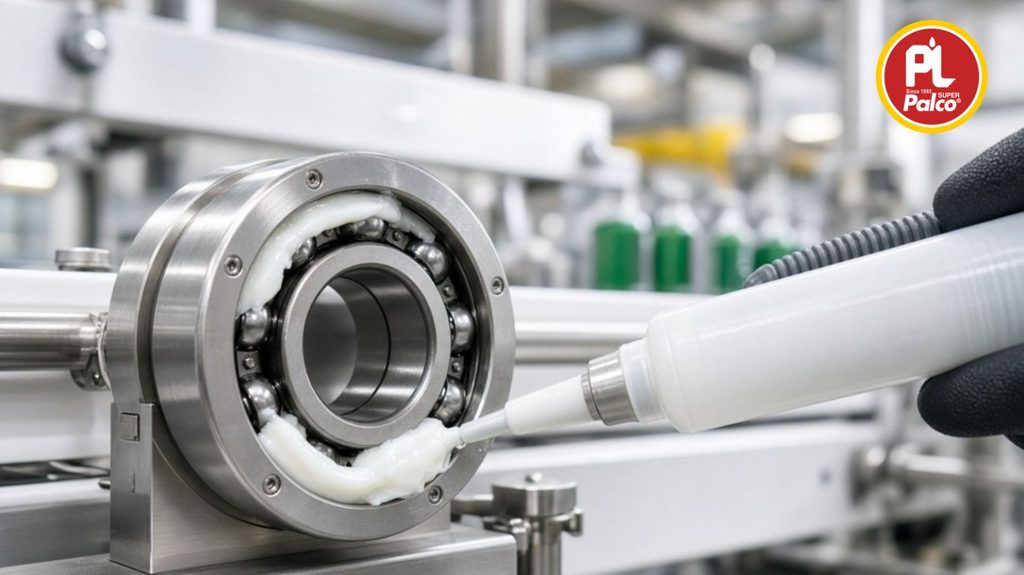
PAL Food Guard HT is NSF H1, NLGI 2 food grade grease for bearings in food and packaging machinery. Request a technical recommendation.
At the end of a busy production shift, the filling line may look immaculate. Bottles move across conveyors, sealing heads repeat their precise motion, and packaging machinery keeps pace with demand. Inside the equipment, however, a different challenge is unfolding. Bearings warm up over hours of operation, cam followers experience changing loads, and nearby components may be exposed to washdowns or moisture. The lubricant must continue doing its job without becoming a weak point in the plant’s hygiene programme.
This is why choosing grease for food and pharmaceutical machinery cannot be reduced to a temperature number or a familiar NLGI grade. The product needs a suitable lubricant film, a thickener that maintains useful consistency under heat, resistance to water, and an appropriate food-industry registration. PAL Food Guard HT Grease from PALCO is designed around those demands. It is a white, synthetic-oil-based, aluminium-complex grease for moderate to heavy loads and elevated-temperature service.
The following guide explains the formulation, technical specifications, operating considerations, and practical applications in straightforward terms, while also distinguishing published test results from what maintenance teams must confirm on their own equipment.
What Is PAL Food Guard HT Grease?
PAL Food Guard HT Grease is a high-temperature food-grade industrial grease manufactured under the PALCO brand of Paras Lubricants Limited. Its formulation uses an aluminium-complex thickener, specially selected synthetic base oils, and performance additives. PALCO describes it as offering thermal stability, oxidation resistance, adhesion, water resistance, and load-carrying capability in food processing, beverage, pharmaceutical, and packaging environments.
What NSF H1 Registration Means
Its NSF H1 registration number is 174483. H1 is a lubricant category for use in food-processing environments where incidental food contact may occur, subject to applicable conditions and proper use. It is not permission to deliberately add grease to food, nor a substitute for sanitation procedures, equipment design, or a facility’s own compliance checks.
What NLGI 2 Grade Means
The grease is an NLGI 2 grade, which describes its consistency rather than its temperature rating or chemical safety. In everyday language, it has the familiar semi-solid character of many bearing greases. Its published service-temperature range is −40°C to 180°C; the correct operating decision must also account for bearing speed, actual operating temperature, relubrication intervals, equipment design, and the manufacturer’s recommendations.
Why High-Temperature Food-Grade Grease Matters
In a food factory, lubricated components rarely enjoy laboratory conditions. Bearings close to a heated production zone face continuous thermal exposure. Slides and cams can be subjected to intermittent movement and fluctuating loads. Packaging lines may combine fast cycling with periodic cleaning. These challenges become more complicated because the lubrication programme must protect product integrity as well as mechanical reliability.
Heat can accelerate oxidation, change lubricant consistency, and weaken the protective film separating metal surfaces. Water can enter around seals, displace grease or contribute to corrosion. Under load, an inadequate lubricant film may allow surface contact, accelerating wear. A suitable grease needs to respond to several of these pressures together; excellence in one individual test does not guarantee success in every application.
PAL Food Guard HT Grease addresses these needs through its aluminium-complex structure, synthetic base oils and additive system. Its intended use includes medium- to high-speed bearings as well as slides and cams, but suitability for a particular speed and load combination should be checked rather than assumed.
How the Aluminium-Complex Thickener Works
Think of grease as lubricating oil held within a structured network. The oil provides the essential separating film, while the thickener keeps that oil in place and helps it remain available near the moving surfaces. In PAL Food Guard HT Grease, an aluminium-complex thickener performs this holding function.
Complex thickeners are often chosen for their ability to maintain a useful structure across demanding temperatures and operating conditions. That makes the thickener relevant to heat resistance, but it does not turn a grease into an unlimited-temperature lubricant. The complete formulation, the application, and the equipment’s thermal environment still determine successful performance.
PALCO publishes a minimum dropping point of 240°C using ASTM D2265. A dropping point is a laboratory measurement of the temperature at which material begins to pass through a test apparatus under prescribed conditions. It is not a continuous working-temperature limit. The product’s published operating range ends at 180°C, and that is the figure to consider when screening a machine’s service conditions.
Food Grade Grease for Bearings: The Role of Synthetic Base Oil
In food-processing equipment, food grade grease for bearings needs to form a suitable lubricating film while meeting the application’s temperature, speed, and load requirements. The selected synthetic base oils create the necessary lubricating film within the bearing or mechanism. Engineers therefore evaluate the oil’s viscosity, which influences film formation and internal resistance.
The data for PAL Food Guard HT Grease specifies a base-oil viscosity of 320 cSt at 40°C, measured using ASTM D445. That number indicates the base oil’s flow resistance at a controlled temperature. It does not describe the viscosity at every operating temperature and should not be interpreted as an automatic fit for all high-speed bearings. A bearing manufacturer’s speed factor and operating-temperature requirements remain relevant.
Synthetic base oils are used in numerous demanding lubricant formulations because they can offer useful performance under temperature extremes. PALCO specifically identifies thermal and lubricant-film stability as strengths of this grease. Actual intervals between lubrication events still need to be established from field conditions rather than from a marketing claim alone.
Understanding the Key Technical Specifications
A technical sheet is most helpful when each test result is connected to a real maintenance question. The following figures come from the PALCO product page and should be reviewed against the latest supplier documentation before final qualification.
Appearance: white. The visual description assists identification but cannot by itself establish cleanliness, authenticity, or whether a grease remains serviceable. NLGI grade: 2, measured under DIN 51818. Worked penetration after 60 strokes: 265–295 under ASTM D217. These are measures of consistency, not direct ratings for load capacity or safety.
Operating temperature range: −40°C to 180°C. This is the manufacturer’s published operating window, not a guarantee of identical performance across every machine in that interval. Dropping point: minimum 240°C under ASTM D2265. That figure must never replace the operating range in a selection decision.
Water washout: maximum 4.2% weight loss under ASTM D1264. The test indicates resistance to grease being removed in a defined laboratory procedure. It is useful when evaluating wet equipment, though cleaning-jet pressure, detergent chemistry, seal condition and machine geometry can change real service outcomes.
Four-ball weld load: 200 kg under ASTM D2596. This provides a comparative laboratory indication of extreme-pressure load-carrying behaviour. It does not mean an individual machine can safely carry a 200 kg load, nor does it translate directly into the permissible load of a particular bearing.
Copper corrosion: 1b under ASTM D4048, indicating slight tarnishing in the specified test. This should be considered alongside material compatibility, operating temperature, and exposure conditions. Base-oil viscosity: 320 cSt at 40°C. Thickener: aluminium complex. These details help lubrication engineers evaluate likely suitability and compatibility.
Where PAL Food Guard HT Grease Can Be Used
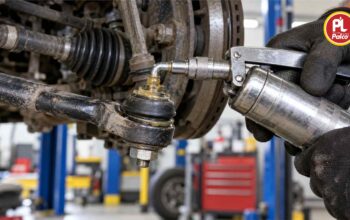
Food and beverage processing equipment is a primary stated application. PAL Food Guard HT Grease may be suitable as a food grade grease for bearings in conveyor and filling-line equipment, subject to the equipment manufacturer’s recommendations. It may also be considered for other accessible lubrication points exposed to elevated temperatures or operating loads. Before use, assess whether the lubricant could reach food or food-contact surfaces, and follow the plant’s approved lubricant-control procedures.
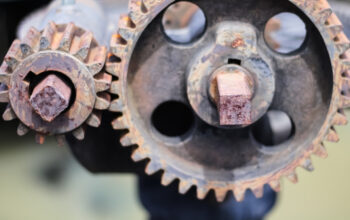
Packaging machinery is another relevant setting. Slides move repeatedly, cams convert rotational motion into controlled mechanical action, and bearings support continuous equipment movement. Stable lubrication can help reduce friction and manage wear, provided the product is suitable for the specific machine and application method.
PALCO also identifies high-temperature applications in pharmaceutical operations. Such facilities may impose additional documentation, segregation, cleanliness, and validation requirements beyond a product’s grease specifications. The H1 designation should therefore be treated as a useful product attribute, not as blanket approval for all pharmaceutical equipment or controlled production zones.
For medium- to high-speed bearings, the grease is described as offering effective lubrication. In practice, bearing dimensions, base-oil viscosity, fill quantity, operating speed, and heat dissipation all matter. Excess grease in a fast-running bearing can increase churning and temperature rather than improve protection.
Water Resistance and Washdown Conditions
Cleaning is essential to food production, but water is not a friend to every lubrication point. Spray, condensation, and washdown moisture can migrate toward seals. Once water enters the housing, it may compromise the lubricant film, initiate corrosion, or displace grease from the contact region.
PAL Food Guard HT Grease is described by PALCO as providing exceptional water resistance, supported by a published water-washout result of 4.2% maximum. That is a useful screening figure, but there is a difference between an ASTM laboratory test and sustained exposure to hot cleaning solutions or direct high-pressure jets.
Keep seals, shields and covers in good working order; review the compatibility of the grease with cleaning agents; and inspect purge material for signs of water ingress. Water resistance should be one layer of protection, not the only protection.
Load Protection and Oxidation Stability
Slides and cams often experience mixed or boundary lubrication when the oil film becomes thin, and contact pressures rise. Heavy-load protection matters because metallic surfaces need a lubricant that remains effective through repeated motion. PALCO identifies reliable performance under heavy loads and a 200 kg four-ball weld-load result as part of this product’s specification.
Oxidation is a separate issue. Oxygen, heat, and time can degrade oils, creating changes in consistency and sometimes deposits. The product is described as having good oxidation stability and resistance to degradation at high temperatures. These are formulation goals and published features; they do not establish a universal service-life figure for all production lines.
A disciplined maintenance programme monitors operating temperature, grease appearance, leakage and signs of abnormal vibration. Replenishment decisions should reflect actual use, because both under-lubrication and over-lubrication can create problems.
What NSF H1 Registration Means in Practice
NSF H1 registration is particularly relevant when a lubricant is used in a food-processing area where accidental, technically unavoidable contact with food might occur. PAL Food Guard HT Grease is listed by PALCO with NSF H1 registration number 174483.
The distinction is important: H1 is not the same as an edible ingredient, a statement that contamination is acceptable, or proof that every equipment location is approved for use. Facilities should maintain their lubricant register, verify current registration, and ensure application practices prevent avoidable contact with the product.
Technicians should use clearly identified containers and dispensing equipment, isolate food-grade lubricants from general-purpose workshop products, and keep records of grade selection and changeovers. These simple controls make the product’s food-industry suitability more meaningful on the plant floor.
Choosing and Applying the Grease Correctly
Start with the machine manual. Identify bearing or mechanism type, speed, operating temperature, load, and exposure to water or cleaning agents. Check whether the specified NLGI grade and base-oil viscosity fit the equipment. For automatic distribution systems, evaluate pumpability and line design rather than presuming every NLGI 2 grease will dispense in the same way.
Before changing from another product, examine thickener and base-oil compatibility. Mixing dissimilar greases can alter consistency or performance. Seek technical advice, then clean or purge the old material according to equipment procedures. Never infer compatibility solely because both greases are food-grade.
Clean grease fittings and use dedicated tools to prevent contamination. Avoid filling a bearing beyond the equipment maker’s recommendation. Where high temperatures are present, set relubrication intervals with input from measured conditions and observed grease condition, not a single generic timetable.
Store unopened containers in a clean, dry, covered location away from unnecessary heat. Reseal opened packs promptly and prevent dust, water and other greases from entering. PALCO lists 1 kg, 18 kg and 180 kg packing options, allowing maintenance teams to select quantities that fit their consumption and stock-handling arrangements.
Why Consider PALCO for Food-Industry Lubrication?
Paras Lubricants Limited, established in 1985, markets lubricants under the PALCO brand. The company lists a broad range of automotive and industrial lubricants and operates manufacturing facilities in Daman. Its published corporate information describes ISO 9001 quality-management certification and in-house testing capabilities.
For industrial buyers, the practical value is access to product-specific data and a technical discussion about the exact duty point. Share the equipment model, estimated operating temperature, speed, load, washdown frequency, and current lubricant before making a change. This supports a more reliable selection than relying on the words “high temperature” alone.
Final Considerations
Good food-industry lubrication sits at the intersection of machinery protection and hygienic practice. PAL Food Guard HT Grease combines an aluminium-complex thickener, synthetic base oils, NLGI 2 consistency, a published −40°C to 180°C operating range, water resistance and NSF H1 registration. These characteristics make it a product to evaluate for bearings, slides and cams in food and beverage processing, packaging and related demanding environments.
The best results will depend on matching the lubricant to the machine, protecting it from contamination, and checking its performance during service. Review the latest technical data and consult the equipment manufacturer or PALCO technical team before final adoption.