

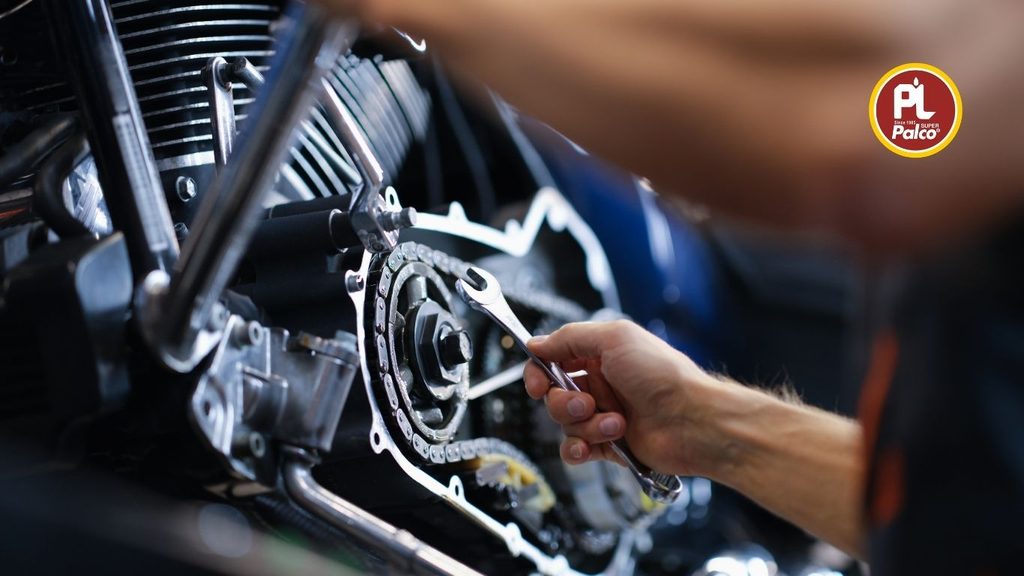
Many motorcycle owners delay a motorcycle oil change because the bike still seems to be running normally. The engine starts, the bike moves, the daily ride continues, and there may be no obvious problem at first. Because of this, some riders assume that engine oil can be used for a little longer, especially if the motorcycle is not showing any immediate warning signs.
But inside the engine, old oil can slowly lose its ability to protect critical components. The damage does not always appear suddenly. It builds up silently through increased friction, heat, contamination, sludge formation, and gradual wear. By the time the rider notices rough sound, reduced mileage, hard gear shifting, overheating, or weak pickup, the oil may already have lost much of its protective strength.
Delaying a motorcycle oil change is one of the most common reasons behind long-term engine problems. It may look like a small saving in the beginning, but over time it can lead to higher repair costs, reduced performance, poor fuel efficiency, and shorter engine life.
In Indian riding conditions, this issue becomes even more important. Motorcycles here face heavy traffic, dust, high summer temperatures, frequent idling, short-distance rides, rough roads, and daily stop-and-go movement. These conditions make engine oil work harder. If oil change is delayed repeatedly, the engine suffers.
For motorcycles that require 10W30 engine oil, timely replacement with a suitable product like PALCO Solitaire 10W30 can help maintain smooth performance, reliable lubrication, and engine protection during daily use.
Why Engine Oil Is So Important
Engine oil is not just a liquid that sits inside the engine. It is one of the most important protectors of the motorcycle. Every time the engine runs, oil circulates through critical areas and performs several essential functions.
It reduces friction between moving parts.
It protects against wear.
It helps carry heat away from internal components.
It keeps the engine cleaner by carrying contaminants.
It helps prevent sludge and deposits.
It protects against rust and corrosion.
It supports smoother gear and clutch operation in many motorcycles.
It helps maintain engine refinement and performance.
Inside a motorcycle engine, metal components move at high speed and under high temperature. Without proper lubrication, these parts would rub directly against each other, creating heat, wear, and serious damage.
Fresh oil creates a protective film between these components. Old oil gradually loses that ability. This is why oil change intervals should not be ignored.
Engine Oil Has a Working Life
Every engine oil has a service life. It is designed to perform under heat, pressure, friction, and contamination, but it cannot do this forever.
As the motorcycle runs, engine oil is exposed to multiple stress factors:
Heat from combustion and friction.
Dust and external contaminants.
Combustion gases.
Microscopic metal particles.
Moisture.
Oxidation.
Fuel dilution.
Additive depletion.
Repeated heat cycles.
Over time, these factors reduce oil performance. The oil may become darker, thicker, thinner, contaminated, or less stable. Its additives gradually get used up. Its ability to reduce friction, control deposits, and protect against wear becomes weaker.
Once oil becomes degraded, it cannot protect the engine properly. Continuing to ride with such oil increases the risk of long-term damage.
What Happens When You Delay a Motorcycle Oil Change?
Delaying oil change affects the motorcycle in several ways. Some effects are felt quickly, while others develop slowly. The problem is that the most serious damage often happens inside the engine, where the rider cannot see it.
Let us understand the major effects one by one.
1. Increased Engine Wear
The most serious effect of delayed oil change is increased engine wear.
Fresh oil forms a lubricating film between moving parts. This film prevents direct metal-to-metal contact. When oil becomes old, contaminated, or degraded, this protective film weakens. As a result, internal components may experience more friction.
Engine parts such as piston rings, camshaft, crankshaft bearings, gears, and valve train components depend on proper lubrication. If oil is not protecting them effectively, wear can increase.
The dangerous part is that wear may not be felt immediately. The motorcycle may continue running, but internal damage may slowly increase. Over time, this can lead to reduced compression, rough performance, higher oil consumption, and expensive repairs.
Regular oil changes help prevent this by ensuring that the engine always has oil capable of maintaining a protective film.
2. Sludge Formation Inside the Engine
Old engine oil can form sludge, especially when it is exposed to heat, contamination, and oxidation for too long.
Sludge is a thick, sticky deposit that forms when oil breaks down and combines with contaminants. It can collect inside the engine and affect oil circulation. Once sludge starts forming, it can block narrow oil passages and reduce lubrication to critical areas.
This is dangerous because engine parts depend on continuous oil flow. If oil passages become restricted, some components may not receive enough lubrication. This increases heat, friction, and wear.
Sludge formation is more likely when oil changes are delayed repeatedly, poor-quality oil is used, or the motorcycle is used mainly for short rides and heavy traffic.
Timely oil replacement helps keep the engine cleaner and reduces the risk of sludge buildup.
3. Higher Engine Temperature
Engine oil helps reduce friction and carry heat away from internal parts. When oil becomes old, it cannot manage heat as effectively.
Delayed oil changes may lead to:
Higher engine temperature.
Burning smell after riding.
Reduced performance during long rides.
Discomfort in traffic.
Increased stress on engine components.
More roughness after the engine heats up.
This is especially important in Indian summer and city traffic conditions. During slow-moving traffic, the engine continues generating heat while airflow is limited. If the oil is already degraded, the engine may feel hotter and more stressed.
High engine temperature can further accelerate oil breakdown, creating a cycle where old oil leads to more heat, and more heat damages the oil further.
4. Poor Mileage
Old oil increases friction. More friction means the engine needs more energy to produce the same output. That energy comes from fuel.
This is why delayed oil changes can reduce mileage over time. The motorcycle may start consuming more fuel because the engine is not operating as freely as it should.
If your bike’s fuel efficiency has dropped and common factors like tyre pressure, air filter, spark plug, chain lubrication, and riding style seem normal, overdue engine oil may be one of the reasons.
Using the right grade, such as PALCO Solitaire 10W30 for motorcycles that require 10W30, can support efficient operation when changed at the correct interval. However, oil must be replaced on time to continue delivering proper performance.
5. Rough Engine Sound
A smooth engine sound often indicates proper lubrication. When oil becomes degraded, the engine may start sounding rough, harsh, or noisy.
This happens because the oil film weakens and internal friction increases. The rider may notice:
A louder engine tone.
Ticking or tapping sounds.
More vibration.
Roughness during acceleration.
Harsh sound after the engine heats up.
Many riders first notice old oil through engine sound. The bike may not stop running, but it no longer feels as refined as before.
If your motorcycle sounds different from normal, check the engine oil condition and service history. Do not ignore it.
6. Hard Gear Shifting
In many motorcycles, engine oil also supports gearbox and clutch operation. When oil becomes old, dirty, or degraded, it can affect gear shift quality and clutch feel.
You may notice:
Hard gear shifting.
Difficulty finding neutral.
Jerky movement.
Less smooth clutch engagement.
Rough acceleration in traffic.
This is especially noticeable in city riding where frequent gear changes are required. Old oil may not provide the right lubrication and friction balance needed for smooth transmission operation.
Fresh oil of the correct grade can often restore smoother gear feel, provided there are no other mechanical issues.
7. Reduced Pickup and Performance
A motorcycle running on old oil may feel heavy or sluggish. Throttle response may reduce, acceleration may feel dull, and the engine may not feel as free as before.
This happens because friction and heat increase inside the engine. The engine loses some of its smoothness and efficiency.
Riders may notice that the bike:
Takes more effort to accelerate.
Feels less responsive in traffic.
Struggles with load or pillion riding.
Feels rough after longer rides.
Does not perform like it used to.
This does not always mean a major mechanical fault. Sometimes, delayed oil change is enough to make the engine feel tired.
8. Deposit Formation and Dirty Engine Operation
Old oil can leave deposits inside the engine. These deposits may form on hot surfaces and around moving parts. Over time, deposit buildup can affect engine cleanliness and performance.
A clean engine operates more efficiently. Dirty internal components may increase friction, reduce smoothness, and affect long-term reliability.
Good-quality oil and timely oil replacement help control deposits and keep the engine cleaner.
9. Increased Long-Term Maintenance Cost
Some riders delay oil changes to save money. But this saving is usually very small compared to the cost of engine repair.
Delayed oil changes can contribute to:
Faster engine wear.
Poor mileage.
Clutch and gear shift issues.
Overheating.
Sludge-related problems.
Reduced engine life.
Higher repair cost.
Regular oil changes are preventive maintenance. They protect expensive engine components and reduce the chance of serious repair bills.
In the long run, timely oil replacement is not an expense. It is a cost-saving habit.
Can Delayed Oil Change Cause Engine Failure?
In extreme cases, yes.
If oil is not changed for a very long time, or if the oil level becomes too low, severe engine damage can occur. Components can overheat, wear rapidly, or even seize. Once lubrication fails, the engine can suffer serious damage within a short period.
Most riders will experience warning signs before complete failure, such as rough sound, overheating, poor pickup, hard shifting, or burning smell. But if these signs are ignored, the repair cost can become very high.
This is why oil change should never be delayed beyond the recommended interval.
Why Indian Riding Conditions Make Timely Oil Change More Important
Indian motorcycles often operate in difficult conditions. Even a short daily ride can be demanding because of traffic, dust, heat, and repeated stopping.
Oil may degrade faster when the motorcycle is frequently used in:
Heavy traffic.
Dusty roads.
Hot weather.
Short trips.
Long idling conditions.
High-load usage.
Pillion riding.
Delivery or commercial use.
Rough roads.
In such cases, riders should be more careful about oil inspection and replacement. The motorcycle may not cover a high distance quickly, but the engine may still experience significant stress.
How Often Should You Get a Motorcycle Oil Change?
The correct oil change interval depends on your motorcycle model, oil type, engine design, and riding conditions. Always follow your owner’s manual first.
Many motorcycles have oil change intervals based on kilometers or months. Both matter. If the motorcycle is used daily, kilometers are a practical guide. If the bike is used less frequently, time also matters because oil can age even when the motorcycle is not ridden much.
A good rule is to follow whichever comes first:
The kilometer interval mentioned in the manual.
The time interval recommended by the manufacturer.
In demanding Indian conditions, inspect oil more frequently, especially if the bike is used heavily.
Why Choosing the Right Oil Matters
Changing oil on time is important, but the replacement oil must also be correct.
Using the wrong grade can affect protection, mileage, smoothness, and engine performance. Some riders use thicker oil thinking it gives better protection. Others choose oil only by price. Both approaches can create problems.
The correct oil should match:
The manufacturer-recommended viscosity grade.
The required performance specification.
The motorcycle engine design.
The riding conditions.
The service interval.
For motorcycles requiring 10W30, PALCO Solitaire 10W30 is formulated to provide dependable lubrication, wear protection, and smooth performance for daily use. It should be used where 10W30 is recommended or allowed by the motorcycle manufacturer.
Warning Signs Your Motorcycle Oil Change Is Overdue
Your motorcycle may show several signs when engine oil is overdue for replacement:
Engine sounds rough or harsh.
Gear shifting becomes hard.
Mileage drops.
Pickup feels weak.
Engine feels hotter than usual.
Oil looks very dark or dirty.
Oil level is low.
Burning smell appears after riding.
The bike feels less smooth than before.
These signs should not be ignored. Early oil replacement can prevent bigger problems.
How PALCO Solitaire 10W30 Supports Timely Oil Replacement
For motorcycles designed for 10W30 grade oil, PALCO Solitaire 10W30 supports smooth engine operation, reliable lubrication, and wear protection in daily riding conditions.
It is suitable for riders who:
Use their motorcycles for regular commuting.
Ride in city and mixed road conditions.
Need dependable engine lubrication.
Follow regular service intervals.
Want smooth and protected engine performance.
The product performs best when used according to the motorcycle manufacturer’s recommendation and replaced at the right interval.
Practical Oil Change Habits Every Rider Should Follow
To maximize the benefits of each motorcycle oil change and safeguard your engine, develop these habits:
Check oil level regularly.
Do not delay oil change intervals.
Use the recommended oil grade.
Replace the oil filter where applicable.
Inspect oil condition before long rides.
Avoid mixing oil grades unnecessarily.
Do not ride with low oil level.
Service the bike on time.
Watch for unusual engine sound or heat.
Use reliable engine oil.
These habits are simple but extremely effective in protecting engine life.
Conclusion
Delaying a motorcycle oil change may seem harmless at first because the bike may continue running normally. But inside the engine, old oil can slowly lose its ability to protect. It increases friction, causes wear, forms sludge, raises engine temperature, reduces mileage, affects gear shifting, weakens pickup, and reduces long-term engine life.
The best approach is simple: use the correct oil grade, change it on time, and never ignore warning signs. Regular oil replacement is one of the easiest and most affordable ways to protect your motorcycle.
For motorcycles requiring 10W30 oil, PALCO Solitaire 10W30 can help support reliable engine protection and smooth daily riding when used as recommended. A timely oil change today can prevent expensive engine problems tomorrow.
Frequently Asked Questions
What Happens If You Delay a Motorcycle Oil Change?
If you delay a motorcycle oil change, engine oil can lose its protective ability. This may lead to increased friction, engine wear, sludge formation, overheating, poor mileage, rough sound, difficult gear shifting, and reduced performance.
Can old oil damage the engine?
Yes. Old oil can lose viscosity stability and protective strength. It may increase internal wear and reduce engine life over time.
Can delayed oil change reduce mileage?
Yes. Old oil increases friction inside the engine. When friction increases, the engine may consume more fuel to produce the same output, reducing mileage.
Can old engine oil cause overheating?
Yes. Old oil may not reduce friction or carry heat effectively, which can make the engine run hotter than usual.
Why does my bike sound rough when oil is old?
Old oil cannot maintain a strong lubricating film between moving parts. This increases mechanical noise, roughness, and vibration.
Can old oil affect gear shifting?
Yes. In many motorcycles, engine oil also supports gearbox and clutch operation. Degraded oil can make gear shifting harder and less smooth.
Is PALCO Solitaire 10W30 good for oil replacement?
Yes. PALCO Solitaire 10W30 is suitable for motorcycles that require 10W30 grade engine oil. It supports smooth performance, reliable lubrication, and wear protection when used according to the motorcycle manufacturer’s recommendations.
How often should I change motorcycle engine oil?
Follow the oil change interval mentioned in your motorcycle owner’s manual. For suitable two-wheeler engine oil options, explore PALCO motorcycle engine oils. If your bike is used in heavy traffic, dusty roads, hot weather, or severe riding conditions, inspect oil condition more frequently.