
Mileage is one of the first things Indian motorcycle owners notice. Whether a person rides to office, college, market, factory, showroom, workshop, or uses the bike for delivery work, fuel efficiency matters every single day. In India, motorcycles are not just vehicles. For many people, they are daily partners for work, business, family responsibilities, and regular travel. That is why even a small drop in mileage is noticed quickly.
When mileage reduces, riders usually blame fuel quality, traffic, tyre pressure, riding style, carburettor or injector tuning, spark plug condition, or air filter blockage. These factors are definitely important. However, one major reason is often ignored during diagnosis: engine oil.
Can wrong engine oil reduce bike mileage? The wrong engine oil can affect how freely your motorcycle engine operates. If the oil is too thick, too thin, degraded, poor in quality, or not suitable for the engine design, it can increase internal friction. Once friction increases, the engine needs more effort to run. That extra effort can affect fuel efficiency, pickup, smoothness, heat control, and long-term reliability.
In simple terms, the wrong engine oil may not immediately stop your bike from running, but it can slowly make the engine work harder than it should. Over time, this can result in reduced mileage, rough engine sound, hard gear shifting, sluggish pickup, increased heating, and faster wear.
For motorcycles that require 10W30 engine oil, using the correct grade such as PALCO Solitaire 10W30 can help support smoother engine operation and efficient performance when combined with regular maintenance and correct riding habits.
Why Mileage Matters So Much for Indian Riders
In India, mileage is not just a technical number. It directly affects daily running costs. A person travelling 20 to 50 kilometres every day depends on fuel efficiency to manage monthly expenses. For delivery riders, sales executives, service technicians, students, and office commuters, mileage can make a noticeable difference over time.
This is why many riders become concerned when their bike starts consuming more fuel than usual. A motorcycle that earlier delivered good mileage may suddenly feel less efficient. The owner may start asking questions like:
Why is my bike giving less mileage?
Is the petrol quality bad?
Is my riding style the problem?
Is the air filter blocked?
Is the engine getting weak?
Can engine oil affect mileage?
The answer to the last question is yes. Engine oil can affect mileage because it plays a direct role in friction control. The smoother the internal operation of the engine, the easier it is for the engine to convert fuel energy into movement.
How Can Wrong Engine Oil Reduce Bike Mileage?
To understand the connection between engine oil and mileage, it is important to understand what happens inside a motorcycle engine.
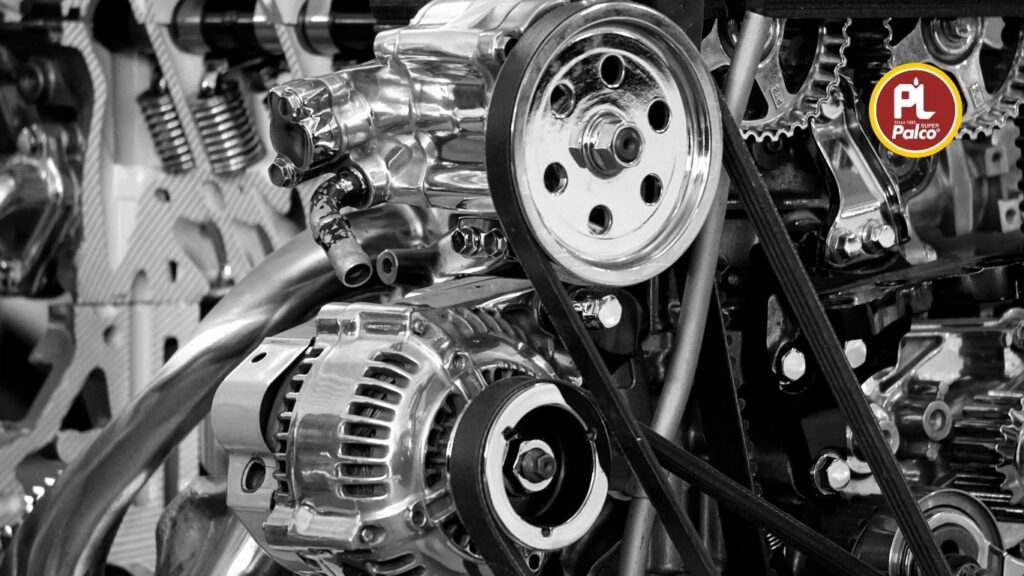
Inside the engine, several components move at high speed. Pistons move up and down, crankshaft rotates, the camshaft operates valves, gears transfer motion, and bearings support rotating parts. These components operate under heat, pressure, and load.
Without engine oil, metal surfaces would rub against each other directly. This would create extreme friction, heat, and wear. Engine oil forms a protective film between moving surfaces. This film reduces friction and helps the engine operate smoothly.
When the correct oil is used, internal parts move more freely. The engine does not need unnecessary extra effort to overcome resistance. This supports better fuel efficiency.
But when the wrong oil is used, internal resistance can increase. The engine consumes more energy to move its parts. That energy comes from fuel. As a result, mileage can be reduced.
This is why engine oil should never be treated as just another service item. It is one of the key factors affecting engine efficiency.
The Link Between Friction and Fuel Consumption
Mileage is closely connected to friction. Every engine has internal friction, but the goal of proper lubrication is to reduce it as much as possible while maintaining protection.
When friction is controlled, the engine feels smoother and more responsive. When friction increases, the engine may feel heavy, rough, or less efficient.
Higher friction can lead to:
More fuel consumption.
Reduced pickup.
Higher engine temperature.
Rough engine sound.
More wear on moving parts.
Poor riding comfort.
A rider may not immediately understand that engine oil is the reason. The motorcycle may still start and run. But gradually, the ride becomes less refined, and fuel efficiency may drop.
Correct engine oil helps maintain the balance between protection and efficiency.
The Problem With Oil That Is Too Thick
Many riders believe thicker oil always gives better protection. This is one of the most common myths in motorcycle maintenance.
A thicker oil may be suitable for engines designed for that viscosity. But if an engine is designed for 10W30 and a much thicker oil is used, the engine may face unnecessary drag.
Thicker oil can take longer to circulate during start-up. It may also create higher internal resistance when the engine is running. This means the engine has to work harder to move its components through the oil.
For a motorcycle designed for lighter viscosity oil, using a heavier oil can affect:
Fuel efficiency.
Cold-start lubrication.
Engine smoothness.
Throttle response.
Gear-shifting comfort.
Overall ride feel.
Modern motorcycles are built with precise engineering. Their oil passages, component clearances, oil pump capacity, and lubrication needs are carefully calculated. The engine oil grade recommended by the manufacturer is based on this design.
Using a thicker oil without checking the manual may disturb this balance. It may feel like stronger protection, but in reality, it may reduce efficiency and smoothness in engines not designed for it.
The Problem With Oil That Is Too Thin
Oil that is too thin for the engine can also create problems.
If the oil does not maintain a strong enough lubricating film under heat and load, metal surfaces may not be protected properly. This can increase wear and reduce engine life. Thin oil may flow quickly, but if it is not suitable for the engine’s operating requirements, it may fail to provide the required protection.
This can lead to:
Increased wear.
Engine noise.
Higher heat.
Reduced protection under load.
Poor long-term reliability.
The goal is not to choose the thickest or thinnest oil. The goal is to choose the correct oil grade recommended for the motorcycle.
Why Correct Viscosity Is Important
Viscosity is the thickness or flow resistance of engine oil. A grade like 10W30 indicates how the oil behaves during cold starts and at operating temperatures.
In 10W30:
10W refers to the oil’s cold-start flow behaviour.
’30’ refers to its viscosity when the engine is hot.
A correct viscosity grade ensures that the oil can flow quickly when the engine starts and still maintain protection when the engine reaches operating temperature.
If the viscosity is wrong, the engine may not receive the right balance of flow and protection. This can affect mileage and performance.
Why 10W30 Is Used in Many Modern Motorcycles
Many modern motorcycles are designed for improved fuel efficiency, smoother performance, and reduced internal friction. To support these goals, manufacturers often recommend oils like PALCO Solitaire 10W30 for specific models.
10W30 engine oil offers a balance between quick flow and operating temperature protection. It circulates faster during cold starts compared to thicker grades and helps reduce internal drag during normal operation.
For many modern commuter motorcycles, this balance supports:
Smooth engine performance.
Better fuel efficiency support.
Lower internal drag.
Faster lubrication during start-up.
Reliable daily protection.
Comfortable city riding.
This is why 10W30 is commonly recommended for motorcycles that are designed around efficiency and smoothness.
PALCO Solitaire 10W30 is designed for motorcycles that require 10W30 grade oil and need dependable lubrication for daily riding conditions. It supports smooth operation and helps protect the engine when used according to manufacturer recommendations.
Wrong Oil Can Affect More Than Mileage
A drop in mileage is only one result of using the wrong engine oil. Since engine oil affects multiple parts of motorcycle operation, the wrong oil can create several other issues.
Rough Engine Sound
Incorrect oil may not lubricate moving parts properly. If the oil is too thick, too thin, old, or unsuitable, the engine may start sounding harsh. A rider may notice more mechanical noise, vibration, or roughness during acceleration.
Hard Gear Shifting
In many motorcycles, engine oil also supports gearbox and clutch operation. If the oil does not suit the engine and transmission system, gear shifting may become harder. This is especially noticeable in traffic where frequent gear changes are required.
Increased Heating
Poor lubrication increases friction. More friction means more heat. If the wrong oil is used, the engine may run hotter than usual, especially during summer, heavy traffic, or long idling.
Reduced Pickup
When internal resistance increases, the engine may feel heavy or slow. Acceleration may feel dull, and the bike may not respond as sharply to throttle input.
Long-Term Wear
Incorrect oil can gradually increase wear inside the engine. The damage may not be visible immediately, but over time it can affect performance, reliability, and repair costs.
Why Riders Often Choose the Wrong Oil
Many riders do not intentionally choose the wrong engine oil. It usually happens because of habit, lack of awareness, or incomplete guidance.
Common reasons include:
The mechanic uses the same oil for many bikes.
The rider believes thicker oil is always better.
Oil is selected only by price.
Brand is selected without checking grade.
Old bike habits are applied to modern motorcycles.
The rider does not understand viscosity numbers.
The owner’s manual is never checked.
Oil is changed in a hurry without confirming specifications.
This is why awareness is important. The correct grade matters as much as the brand. A good brand in the wrong viscosity grade may still not deliver the best result for your motorcycle.
Does Changing to the Right Oil Improve Mileage?
Can wrong engine oil reduce bike mileage? Yes. If poor mileage is partly caused by wrong, old, or degraded oil, switching to the correct grade can help support better efficiency. However, engine oil is only one part of the complete mileage equation.
To improve mileage, riders should also check:
Tyre pressure.
Air filter condition.
Spark plug health.
Chain lubrication.
Fuel quality.
Riding speed.
Traffic conditions.
Clutch condition.
Brake drag.
Service schedule.
Engine tuning.
Engine oil alone cannot solve every mileage problem. But if the wrong or old oil is increasing friction, correcting it can support better performance.
How to Know Which Engine Oil Your Bike Needs
The best source for choosing engine oil is your motorcycle owner’s manual. It clearly mentions the recommended oil grade and required specification.
You can also check:
Service booklet.
Manufacturer website.
Authorised service center recommendation.
Oil grade marking near the oil filler area in some motorcycles.
Vehicle service history.
If your motorcycle manual recommends 10W30, then using a quality 10W30 oil is the right decision.
Avoid choosing oil based on guesswork. Also avoid switching grades frequently unless recommended by the manufacturer.
Role of PALCO Solitaire 10W30
PALCO Solitaire 10W30 is formulated to support smooth engine operation, wear protection, and reliable lubrication for motorcycles requiring this grade. It is suitable for daily riders who need consistent performance in city and mixed riding conditions.
For motorcycles designed for 10W30, the correct oil can help the engine operate more freely and efficiently. When combined with timely oil changes, proper tyre pressure, clean filters, and good riding habits, PALCO Solitaire 10W30 can support smoother performance and help maintain fuel-efficient operation.
PALCO Solitaire 10W30 is suitable for modern-generation 4-stroke motorcycles from reputed manufacturers, including Hero, Bajaj, Yamaha, Honda and TVS, when 10W30 is recommended by the vehicle manufacturer.
Maintenance Tips to Protect Bike Mileage
Mileage is not achieved by engine oil alone. It comes from a combination of correct maintenance and riding discipline.
To protect your motorcycle’s fuel efficiency, follow these habits:
Use the correct engine oil grade.
Change engine oil on time.
Maintain correct tyre pressure.
Clean or replace the air filter regularly.
Avoid harsh acceleration.
Do not ride continuously with half clutch.
Keep the chain properly lubricated.
Avoid unnecessary idling.
Use good-quality fuel.
Follow the service schedule.
Check spark plug condition.
Avoid overloading the bike.
Keep brakes properly adjusted.
These simple steps can make a noticeable difference in daily performance and long-term running cost.
What Riders Should Avoid
To maintain mileage and engine health, avoid these common mistakes:
Do not use oil only because it is cheap.
Do not use thicker oil without checking the manual.
Do not delay oil change intervals unnecessarily.
Do not mix different oil grades casually.
Do not ignore rough engine sound.
Do not ride with a low oil level.
Do not assume one oil grade fits every motorcycle.
A motorcycle engine is designed with specific lubrication needs. Respecting those needs is the best way to protect mileage and performance.
Practical Example: Daily Commuter Bike
Consider a rider who uses a motorcycle every day for office travel. The bike is started in the morning, ridden through traffic, parked for hours, restarted in the evening, and again used on slow-moving roads. This pattern repeats daily.
If the motorcycle requires 10W30 oil but a heavier oil is used, the engine may face more internal drag during repeated city riding. Over time, the rider may notice reduced mileage, rougher engine sound, and less smooth pickup.
In such a case, returning to the manufacturer-recommended grade and using a reliable oil like PALCO Solitaire 10W30 can help support smoother operation, provided the motorcycle is designed for this grade and other maintenance factors are also in good condition.
Practical Example: Old or Poorly Maintained Oil
Another rider may be using the correct oil grade but delaying the oil change interval. Even correct oil becomes less effective after prolonged use. It collects contaminants, loses additive strength, and may not protect as well as fresh oil.
In this case, the problem is not necessarily the oil grade but the oil condition. Replacing old oil on time is just as important as choosing the right grade.
Conclusion
Yes, wrong engine oil can reduce bike mileage. If the oil grade does not match the engine requirement, it can increase internal friction, reduce smoothness, cause heating, affect pickup, and lower fuel efficiency. Using oil that is too thick or too thin for the engine can disturb the balance of protection and performance.
For motorcycles designed for 10W30 oil, using a reliable product like PALCO Solitaire 10W30 can support smoother performance and efficient engine operation when used according to manufacturer recommendations. However, mileage also depends on proper maintenance, tyre pressure, air filter condition, spark plug health, chain lubrication, riding style, and traffic conditions.
The best approach is simple: use the correct oil grade, change it on time, maintain the motorcycle properly, and ride with discipline. When engine oil is treated as a key part of mileage maintenance, the motorcycle can perform more smoothly, efficiently, and reliably over time.
Frequently Asked Questions
Can Wrong Engine Oil Reduce Bike Mileage?
Yes. Incorrect, old, or degraded engine oil can increase internal friction, making the engine work harder. This can reduce fuel efficiency over time.
Is thicker oil better for mileage?
Not always. If the engine is designed for thinner oil, using thicker oil can increase drag and reduce mileage. Always follow the motorcycle manufacturer’s recommended oil grade.
Is 10W30 good for mileage?
Yes, 10W30 can support efficient performance when used in motorcycles that are designed for this grade. It helps reduce internal drag while maintaining required protection.
Can wrong engine oil cause heating?
Yes. Wrong or degraded engine oil can increase friction, which may cause the engine to run hotter than usual.
Can old engine oil reduce pickup?
Yes. Old oil can increase resistance inside the engine, making the motorcycle feel heavy or sluggish during acceleration.
How do I know which engine oil my bike needs?
Check your motorcycle owner’s manual, service booklet, manufacturer website, or authorised service centre recommendation. The manual is the most reliable source.
Should I use PALCO Solitaire 10W30?
You should use PALCO Solitaire 10W30 if your motorcycle requires or allows 10W30 grade engine oil. It is formulated to support smooth performance, wear protection, and reliable lubrication for suitable motorcycles.
Can changing to the correct oil improve mileage?
If mileage loss is partly due to wrong or degraded oil, switching to the correct grade and changing oil on time can help support better efficiency. Other maintenance factors should also be checked.