

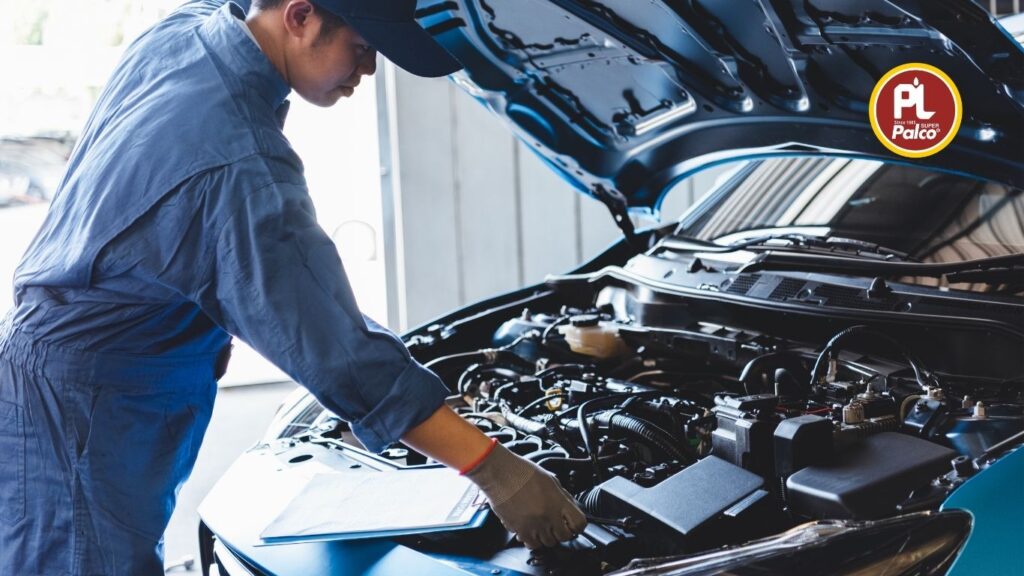
Explore common engine overheating causes, warning signs, prevention tips, and how proper engine oil and cooling-system maintenance help protect your vehicle.
A vehicle engine is designed to operate within a specific temperature range. During combustion, enormous amounts of heat are generated inside the engine, and the cooling and lubrication systems work continuously to manage that heat. When these systems function properly, the engine can deliver reliable performance even under demanding driving conditions.
But when something goes wrong, the temperature can rise beyond the engine’s normal operating range. This is commonly known as overheating.
Engine overheating is more than a minor inconvenience. If left unaddressed, excessive heat can damage critical engine components, reduce performance, and, in severe cases, lead to costly repairs. The good news is that many overheating problems can be prevented through regular maintenance, proper lubrication, and responding promptly to early warning signs.
Understanding the causes of engine overheating, recognising its warning signs, and knowing how proper lubrication supports temperature management can help vehicle owners prevent costly engine damage.
Why Does an Engine Get So Hot?
To understand engine overheating, it is important to first understand where engine heat comes from.
An internal combustion engine converts the energy released during fuel combustion into mechanical power. This process naturally generates a substantial amount of heat. Only part of the energy produced during combustion is converted into useful mechanical work. The remaining energy is released as heat.
This heat is managed through several systems, primarily:
- The engine cooling system
- The engine lubrication system
- The exhaust system
- Airflow around the engine
The cooling system uses coolant to absorb and transfer heat away from the engine. The lubrication system uses engine oil to reduce friction and carry heat away from various moving components.
When these systems are working correctly, engine temperature remains within the intended operating range. When one or more components fail, heat can accumulate faster than it can be removed.
What Is Engine Overheating?
Engine overheating occurs when the engine temperature rises significantly above its normal operating range.
In modern vehicles, drivers may notice this through a temperature gauge moving into the high-temperature zone or through a dashboard warning light. Some vehicles may also display a specific temperature warning message.
In older vehicles, signs may include steam coming from under the bonnet, unusual smells or visible coolant leakage.
Overheating can happen suddenly, but in many cases there are warning signs that appear before the problem becomes severe.
Common Causes of Vehicle Overheating
There is rarely just one universal cause of engine overheating. Several components work together to maintain engine temperature, so a problem with any part of the system can contribute to overheating.
1. Low Coolant Level
One of the most common causes of overheating is insufficient coolant.
Coolant circulates through passages around the engine, absorbs heat, and carries it to the radiator, where that heat is released into the surrounding air.
If the coolant level becomes too low, there may not be enough fluid to effectively transfer heat away from the engine.
Low coolant can occur because of:
- External leaks
- Damaged hoses
- Radiator leaks
- Water-pump problems
- Faulty seals
- Evaporation or improper maintenance
If the coolant level repeatedly drops, simply topping it up is not a complete solution. The source of the loss should be investigated.
2. Coolant Leakage
A leak in the cooling system can gradually reduce coolant levels and eventually lead to overheating.
Leaks may occur from radiator hoses, clamps, the radiator itself, the water pump, expansion tanks or other components.
Some leaks are easy to identify because coolant may be visible beneath the vehicle. Others can be more difficult to detect, particularly if they occur only when the engine is hot, or the cooling system is under pressure.
Regular inspection can help identify leaks before they become serious.
3. Radiator Problems
The radiator is responsible for releasing heat from the coolant.
Over time, dirt, dust, and other contaminants can accumulate on the radiator’s external surfaces and restrict airflow. Internal deposits can also affect coolant circulation.
A damaged, clogged or inefficient radiator may struggle to remove sufficient heat, particularly during heavy traffic or high-load driving.
Maintaining a clean and properly functioning radiator is therefore an important part of cooling-system maintenance.
4. Faulty Thermostat
The thermostat controls coolant circulation based on engine temperature.
When the engine is cold, the thermostat helps the engine reach its normal operating temperature. Once the engine becomes sufficiently warm, it opens to allow coolant to circulate through the radiator.
If the thermostat becomes stuck or fails to operate correctly, coolant circulation can be affected. This can result in abnormal temperature behaviour and potentially cause overheating.
5. Water Pump Problems
The water pump circulates coolant through the engine and cooling system.
If the pump is damaged or its performance is compromised, coolant may not circulate effectively. As a result, heat can build up inside the engine.
A faulty water pump may be accompanied by coolant leakage, unusual noises, or abnormal engine temperatures.
6. Cooling Fan Failure
At low vehicle speeds, particularly in traffic, airflow through the radiator may not be sufficient on its own.
Cooling fans help maintain airflow across the radiator.
If a cooling fan fails, the vehicle may remain at normal temperature during highway driving but begin overheating while idling or moving slowly through congested traffic.
This is an important clue that can help technicians diagnose the problem.
How Does Engine Oil Help Manage Heat?
While the cooling system has the primary responsibility for controlling engine temperature, engine oil also plays an important supporting role.
Engine oil is commonly associated with lubrication, but its functions extend beyond reducing friction.
Inside an engine, many components generate heat through friction and mechanical movement. Engine oil forms a lubricating film between moving surfaces, helping reduce direct metal-to-metal contact.
Lower friction means less energy is lost as unwanted heat.
Engine oil also absorbs heat from components such as pistons, bearings, camshafts and other moving parts and carries some of that heat away as it circulates through the engine.
This means that the lubrication system and cooling system work together as part of the engine’s overall thermal management.
What Happens When Engine Oil Is Low?
Low engine oil can increase the risk of excessive friction and heat generation.
When there is insufficient oil, certain engine components may not receive adequate lubrication. This can increase wear and friction, potentially contributing to higher operating temperatures.
In severe cases, insufficient lubrication can cause serious engine damage.
That is why checking engine oil level regularly is one of the simplest and most important maintenance tasks a vehicle owner can perform.
However, repeatedly adding oil without understanding why the level is dropping is not a proper solution. Low oil levels may result from leaks, excessive consumption or other mechanical issues that require attention.
Can Old Engine Oil Cause Overheating?
Engine oil changes over time.
As it operates inside an engine, it is exposed to high temperatures, pressure, contaminants, and combustion by-products. Its additives can gradually become depleted, while contaminants may accumulate.
Degraded oil may not provide the same level of lubrication and thermal performance as fresh engine oil that meets the required specifications.
This does not mean that every overheating problem is caused by old engine oil. Cooling-system faults remain a major cause of overheating. However, proper oil maintenance is an important part of protecting the engine from excessive friction and heat.
Following the manufacturer’s recommended oil-change interval is therefore essential.
Why the Correct Engine Oil Matters
Engine oils are formulated for specific applications and performance requirements.
Using the correct viscosity and performance specification helps ensure that the oil flows appropriately through the engine and provides the required protection under operating conditions.
An oil that is not suitable for the engine may not deliver the expected lubrication performance.
This is why vehicle owners should always consult the manufacturer’s recommendations before selecting engine oil.
A lubricant’s suitability should be determined by its required specifications, not simply by its price, appearance or familiarity.
Driving Conditions Can Increase Heat
Some driving conditions naturally place greater thermal demands on an engine.
Heavy Traffic
Stop-and-go traffic can be particularly demanding because the engine may spend long periods idling or operating at low speeds.
At low speeds, natural airflow through the radiator is reduced, making the cooling fan and cooling system especially important.
High-Speed Driving
Sustained high-speed driving can increase engine load and heat generation.
A properly maintained vehicle should be capable of operating under these conditions, but inadequate coolant, poor lubrication or an inefficient cooling system can make high-load operation more demanding.
Heavy Loads
Commercial vehicles, SUVs, tractors and vehicles carrying heavy loads can place greater demands on the engine.
Towing, climbing steep roads or carrying substantial loads can increase engine temperature.
For vehicles operating under these conditions, following the correct maintenance schedule becomes even more important.
Hot Weather
High ambient temperatures can reduce the ability of the cooling system to release heat into the surrounding environment.
This is particularly relevant in regions where summer temperatures are high.
However, a healthy cooling system should still maintain appropriate engine temperatures under normal operating conditions. If a vehicle regularly overheats during hot weather, the underlying cause should be investigated rather than simply blamed on the outside temperature.
Warning Signs of an Overheating Engine
Recognising the early warning signs of engine overheating can help prevent serious damage.
Watch for:
- Temperature gauge moving unusually high
- Engine temperature warning light
- Steam or vapour from under the bonnet
- Unusual coolant smell
- Coolant leaking beneath the vehicle
- Reduced engine performance
- Unusual engine noises
- Frequent coolant level reduction
- Cooling fan operating unusually often
- Sudden increase in engine temperature
If the temperature gauge rises significantly above normal, continuing to drive can make the problem worse.
What Should You Do If Your Vehicle Overheats?
If your vehicle begins overheating while driving, the priority should be safety and preventing further engine damage.
Move the vehicle to a safe location and stop the engine as soon as it is safe to do so.
Do not immediately open the radiator cap or coolant reservoir if the system is extremely hot. Pressurised coolant and steam can cause serious burns.
Allow the engine to cool before inspecting the cooling system.
Once the vehicle has cooled sufficiently, the coolant level can be checked. If the coolant level is very low, or if there is visible leakage, the vehicle should be inspected by a qualified technician.
If the overheating continues, it is safer to have the vehicle professionally inspected rather than continuing to drive and risking severe engine damage.
Preventive Maintenance Can Make a Major Difference
Most overheating problems become more manageable when detected early.
A basic preventive-maintenance routine should include:
- Checking coolant levels periodically
- Inspecting hoses and connections
- Looking for signs of coolant leakage
- Checking engine oil level
- Following recommended oil-change intervals
- Replacing oil filters as required
- Inspecting the radiator
- Checking cooling-fan operation
- Following the manufacturer’s service schedule
- Using the recommended coolant and engine oil specifications
These simple steps can help identify problems before they result in significant engine damage.
The Importance of Quality Lubricants
A reliable lubrication system depends on using an engine oil that is correctly formulated for the application.
Paras Lubricants Limited develops and manufactures lubricants for a wide range of automotive and industrial applications. Its portfolio includes automotive lubricants, two-wheeler oils, diesel engine oils, tractor and pump-set oils, gear and transmission oils, coolants and other lubrication solutions.
For vehicle owners, selecting the right product should always begin with the requirements of the specific engine and vehicle. The recommended viscosity, performance specification and application should be checked before purchase.
Quality lubrication is not about simply choosing an oil and forgetting about it. It is about using the appropriate product consistently and maintaining it according to the vehicle’s requirements.
Cooling and Lubrication: Two Systems Working Together
It is easy to think of the cooling system and lubrication system as completely separate parts of a vehicle.
In reality, both contribute to controlling the heat generated during engine operation.
The cooling system primarily transfers heat away through coolant circulation and the radiator. Engine oil reduces friction, protects moving components and carries heat away from lubricated surfaces.
If either system is neglected, the engine can become more vulnerable to excessive heat, wear and mechanical stress.
This is why proper vehicle maintenance requires attention to both coolant and engine oil rather than focusing on only one.
Final Thoughts
Engine overheating should never be ignored.
A rising temperature gauge, repeated coolant loss, unusual smells or steam from the engine compartment can all indicate a problem that requires attention. Acting early can help prevent a relatively manageable cooling-system issue from becoming a major engine repair.
Regular maintenance remains the best defence. Check fluid levels, inspect the cooling system, use the correct engine oil, replace lubricants and filters at appropriate intervals, and follow the vehicle manufacturer’s recommendations.
Most importantly, remember that engine temperature management is a combined effort. The cooling system removes excess heat, while the lubrication system reduces friction, protects moving components and helps carry heat away from critical engine parts.
With appropriate maintenance and the right lubricants, vehicle owners can support smoother engine operation, reduce unnecessary wear and help maintain dependable performance over the long term. For manufacturers such as Paras Lubricants Limited, the focus is not simply on producing lubricants but on developing lubrication solutions designed for the diverse requirements of modern automotive and industrial applications. For vehicle owners, the same principle applies at the maintenance level: the right product, used correctly and maintained at the right time, can make a meaningful difference to the life and performance of an engine.