
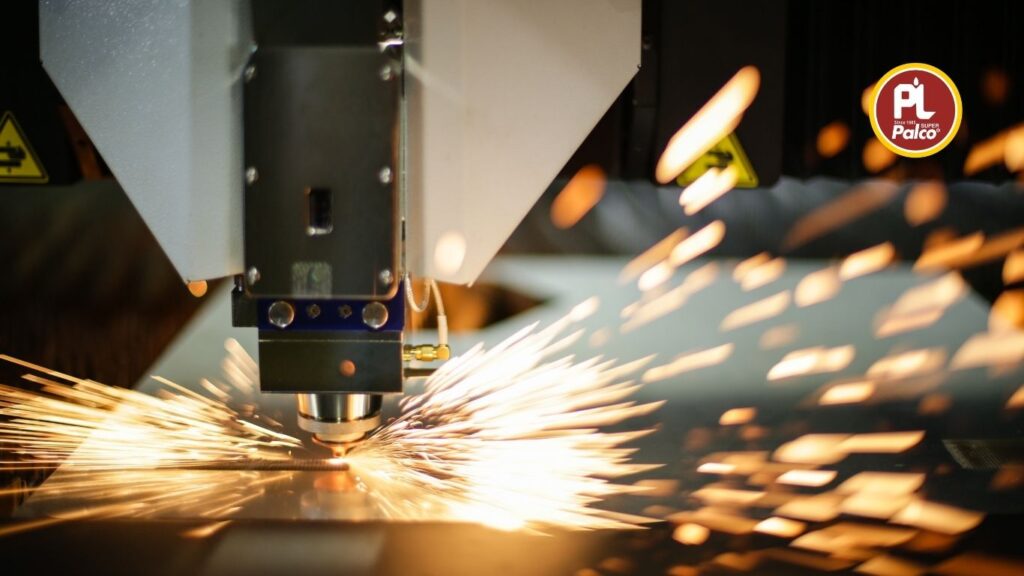
Industrial lubrication helps reduce wear, improve equipment efficiency, minimize downtime, and keep machinery performing reliably in demanding conditions.
Industrial machines are designed to withstand demanding operating conditions, deliver consistent performance, and support uninterrupted production. Yet, despite advances in engineering and manufacturing, unexpected equipment failures remain a significant challenge across industries. While machine breakdowns are often attributed to mechanical defects, electrical issues, or operator error, one of the most overlooked causes lies in something far simpler: lubrication.
Industrial lubrication is far more than simply applying oil or grease to moving parts. It is a carefully engineered process that reduces friction, controls operating temperatures, protects against corrosion, prevents contamination, and extends the service life of critical machine components. When industrial lubrication is neglected or poorly managed, even the most advanced machinery can suffer premature wear, reduced efficiency, unexpected downtime, and costly equipment failures.
In fact, maintenance studies consistently show that a large percentage of bearing and equipment failures are directly or indirectly related to lubrication issues. Whether it is selecting the wrong lubricant, extending oil change intervals beyond recommended limits, or allowing contaminants to enter the system, lubrication-related problems often develop gradually before resulting in a sudden breakdown.
Understanding how industrial lubrication influences machine reliability is the first step toward preventing unexpected failures and improving long-term operational performance.
The Critical Role of Industrial Lubrication
Every machine contains components that move relative to one another. Bearings rotate, gears mesh, pistons slide, chains move, and shafts spin continuously under varying loads and temperatures. Whenever two metal surfaces come into contact, friction is generated.
Without proper industrial lubrication, this friction leads to excessive heat, surface wear, material fatigue, and eventually component failure.
A quality lubricant performs several essential functions simultaneously:
- Reduces friction between moving components.
- Minimizes wear and surface damage.
- Carries heat away from critical parts.
- Protects metal surfaces against rust and corrosion.
- Seals components against dust and moisture.
- Suspends contaminants until they can be removed during maintenance.
- Improves overall mechanical efficiency.
When any of these functions are compromised, the machine begins to operate under increased stress, often without obvious warning signs.
Bearing Failures: A Common Consequence of Poor Lubrication
Bearings are among the most important and heavily loaded components in industrial and automotive machinery. They support rotating shafts while allowing smooth, low-friction movement.
Because bearings operate under high loads and speeds, they rely heavily on an uninterrupted lubricant film separating the rolling elements from the raceways.
When industrial lubrication becomes insufficient, metal surfaces begin contacting one another directly. This creates microscopic damage that gradually develops into:
- Surface fatigue
- Pitting
- Scoring
- Spalling
- Increased vibration
- Excessive operating temperatures
Initially, these symptoms may seem insignificant. However, as damage progresses, vibration levels increase, bearing noise becomes noticeable, and machine efficiency declines. Eventually, the bearing may seize completely, bringing production to an unexpected halt.
In many cases, replacing the failed bearing is only part of the cost. Secondary damage to shafts, housings, seals, and surrounding equipment can significantly increase repair expenses.
Heat: The Silent Accelerator of Equipment Failure
Heat is one of the earliest indicators of lubrication problems.
Every machine naturally generates some heat during operation. Proper industrial lubrication helps absorb and transfer this heat away from critical components.
When lubricant levels are low or its viscosity is no longer suitable for operating conditions, friction increases dramatically.
Higher friction produces higher temperatures.
Elevated temperatures then accelerate lubricant oxidation, causing the oil to lose its protective properties even faster. This creates a destructive cycle where:
- Increased friction generates more heat.
- Higher temperatures degrade the lubricant.
- Degraded lubricant provides less protection.
- Wear accelerates further.
Eventually, seals begin hardening, oil breaks down chemically, deposits form inside the system, and component life decreases significantly.
This chain reaction often develops slowly, making temperature monitoring one of the most valuable preventive maintenance practices.
Contamination: The Invisible Threat
Even the highest-quality lubricant cannot protect machinery if contaminants enter the lubrication system.
Contamination is responsible for many lubrication failures across manufacturing plants, construction equipment, mining operations, and automotive applications.
Common contaminants include:
- Dust
- Dirt
- Water
- Moisture
- Metal particles
- Coolant leakage
- Fuel dilution
- Air bubbles
Each contaminant affects lubricant performance differently.
Dust particles behave like abrasive compounds, scratching metal surfaces with every rotation.
Water promotes corrosion while reducing lubricant effectiveness.
Metal particles generated through wear continue circulating inside the system, accelerating additional wear in a damaging cycle.
In hydraulic systems, contamination may interfere with valve operation, reduce pump efficiency, and cause pressure fluctuations.
Preventing contamination is often far less expensive than repairing the damage it causes.
Proper filtration, sealed lubrication systems, clean storage practices, and regular oil analysis play an essential role in contamination control.
Corrosion: Damage That Continues Even When Machines Are Idle
Many people assume lubrication only matters while machinery is operating.
In reality, lubricants also protect equipment during shutdown periods.
Moisture from humidity or condensation can accumulate on exposed metal surfaces, especially in environments with frequent temperature changes.
Without adequate protective lubrication, corrosion begins forming on bearings, gears, shafts, and internal components.
Rust creates rough surfaces that increase friction when the machine starts again.
Over time, corrosion weakens metal surfaces and shortens component life.
This is particularly important for seasonal equipment, standby generators, marine applications, agricultural machinery, and industrial equipment that remains idle for extended periods.
Proper lubricant selection ensures components remain protected whether machines are running continuously or stored for months.
Choosing the Wrong Lubricant
Not all lubricants are designed for the same applications.
Different machines require lubricants with specific characteristics based on:
- Operating temperature
- Speed
- Load
- Pressure
- Environmental conditions
- Manufacturer specifications
Using the wrong viscosity can create serious problems.
If the lubricant is too thin, it cannot maintain a protective film under heavy loads.
If it is too thick, circulation becomes difficult, increasing resistance and reducing efficiency.
Similarly, selecting grease without appropriate load-carrying capacity or temperature stability may result in premature bearing failures.
Modern lubricants also contain specialized additive packages designed for particular operating conditions.
These additives may include:
- Anti-wear agents
- Extreme pressure additives
- Oxidation inhibitors
- Rust preventives
- Detergents
- Dispersants
- Foam suppressants
Selecting a lubricant without the required additive chemistry can significantly reduce equipment reliability.
Always following the equipment manufacturer’s recommendations is the safest approach.
Over-Lubrication Can Be Just as Harmful
A common misconception is that more lubricant automatically provides better protection.
In reality, excessive lubrication can create its own problems.
Over-greasing bearings increases internal pressure, forcing grease past seals and allowing contaminants to enter.
Excess lubricant may also generate additional heat due to churning.
In electric motors, over-lubrication is one of the leading causes of premature bearing failure.
The goal should always be proper lubrication rather than maximum lubrication.
Applying the correct quantity at the correct interval is far more effective than applying excessive amounts.
The Importance of Industrial Lubrication Best Practices
Lubrication should never be treated as an afterthought during maintenance.
A structured lubrication program significantly improves machine reliability while reducing maintenance costs.
Effective lubrication management includes:
- Using the correct lubricant grade.
- Following recommended lubrication intervals.
- Monitoring lubricant condition.
- Maintaining clean storage practices.
- Preventing contamination.
- Inspecting seals regularly.
- Performing oil analysis for critical equipment.
- Recording maintenance history.
- Training maintenance personnel.
These relatively simple practices can prevent many of the failures that otherwise lead to unplanned downtime.
Oil Analysis: Predicting Problems Before Failure
One of the most valuable maintenance tools available today is oil analysis.
Rather than waiting for equipment to fail, oil analysis provides insight into machine health while it continues operating.
Laboratory testing can identify:
- Wear metals
- Water contamination
- Fuel dilution
- Oxidation
- Viscosity changes
- Additive depletion
- Particle contamination
These results allow maintenance teams to identify developing issues long before they become catastrophic failures.
Instead of reacting to breakdowns, organizations can schedule repairs during planned maintenance windows, reducing production losses and repair costs.
Lubrication and Energy Efficiency
Proper industrial lubrication does more than protect machinery. It also contributes directly to energy efficiency.
Machines operating with excessive friction require more power to perform the same work.
Even small increases in friction across multiple machines can result in noticeable increases in electricity or fuel consumption over time.
Modern high-performance lubricants reduce internal resistance, helping equipment operate more efficiently while lowering operating temperatures.
For industries focused on sustainability and operational excellence, optimized lubrication contributes to both environmental and financial performance.
Building a Culture of Reliability
Reliable machinery is not achieved through expensive repairs alone. It begins with consistent maintenance practices and attention to the smallest details.
Industrial lubrication may appear to be one of the simplest aspects of equipment maintenance, but its impact on productivity, equipment reliability, and operating costs is enormous.
Organizations that prioritize lubrication management often experience fewer breakdowns, improved productivity, reduced maintenance expenses, and greater equipment availability.
As industries continue adopting predictive maintenance, automation, and smart manufacturing technologies, lubrication remains one of the most cost-effective investments in machine reliability.
Conclusion
Machine failures rarely happen without warning. More often, they are the result of gradual deterioration that begins long before a component actually breaks. In many cases, that deterioration starts with inadequate industrial lubrication.
From bearing wear and overheating to corrosion, contamination, and energy losses, poor lubrication can silently compromise equipment performance until an unexpected failure occurs. Fortunately, these risks are largely preventable through proper lubricant selection, routine inspections, contamination control, and disciplined maintenance practices.
Whether operating a manufacturing plant, managing a fleet of commercial vehicles, or maintaining industrial equipment, understanding the importance of industrial lubrication is essential for maximising reliability and minimising downtime.
Investing in the right lubrication strategy is not simply about protecting machines. It is about protecting productivity, reducing operational costs, and ensuring long-term business success.
Looking for high-performance industrial lubrication solutions? Explore PALCO’s premium industrial lubricants to improve equipment reliability, reduce downtime, and extend machinery life.