
The Ultimate Guide to Thermic Fluids:
Types, Benefits, and Applications
Paras Lubricants offers high-quality Thermic Fluids designed for efficient heat transfer in industrial systems. Our fluids provide excellent thermal stability, oxidation resistance, and long service life, ensuring optimal performance in high-temperature applications.
What are Thermic Fluids?
Thermic fluids, also known as heat transfer fluids (HTFs), are specially formulated liquids used in industrial systems to transfer heat efficiently. These fluids ensure consistent thermal performance in various applications, such as manufacturing, power plants, and chemical processing.
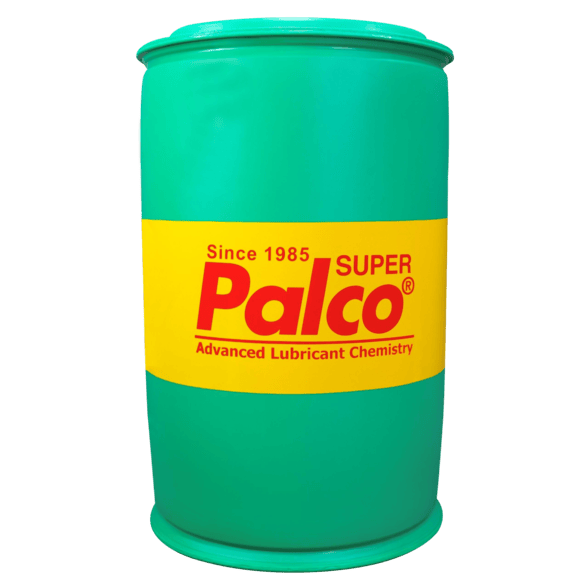
Our Thermic Fluids Type Hydraulic Oils –
Paltherm 500 & 600
Paltherm is a mineral oil-based heat transfer fluid for closed, forced-circulation systems. It delivers efficient, stable heat transfer with strong thermal stability and oxidation resistance, ensuring long service life for textile, chemical, and pharmaceutical heating applications.
Paltherm Synth
Paltherm Synth is a fully synthetic heat transfer fluid for high-temperature industrial operations. It offers excellent thermal stability, low volatility, and long fluid life, ensuring safe, consistent performance in closed heating systems. Ideal for reliable heat transfer in harsh conditions.
Importance of Thermic Fluids in Industrial Applications
Thermic fluids play a crucial role in maintaining temperature stability, improving energy efficiency, and preventing equipment failures. They are essential for industries that require precise heating and cooling operations.
Types of Thermic Fluids
Thermic fluids are categorized based on their composition and operational temperature range. The main types include:
Mineral-Based Thermic Fluids: Derived from refined petroleum, these fluids are cost-effective and widely used in moderate temperature applications. They offer good thermal stability and oxidation resistance.
Synthetic Thermic Fluids: Engineered for high-performance applications, synthetic fluids offer superior thermal stability, higher temperature resistance, and longer service life. They are ideal for extreme industrial conditions.
Silicone-Based Thermic Fluids: These fluids provide excellent thermal and oxidative stability, making them suitable for high-temperature applications and extended operational cycles.
Water-Based and Glycol-Based Thermic Fluids: Used in specialized applications where non-flammable and eco-friendly options are required. These fluids offer effective heat transfer with minimal environmental impact.
Key Properties of High-Quality Thermic Fluids
AW hydraulic oils are used across a wide range of industries that rely on hydraulic machinery, including:
Manufacturing Industry: A premium thermic fluid should exhibit the following characteristics:
High thermal stability: Ensures longevity and efficiency at elevated temperatures.
Low viscosity: Facilitates smooth flow and optimal heat transfer.
Oxidation resistance: Prevents sludge formation and extends fluid life.
Low volatility: Reduces fluid loss and enhances safety.
Corrosion protection: Safeguards system components against rust and wear.
Applications of Thermic Fluids
Thermic fluids are widely used in various industries and applications, including:
Industrial Manufacturing: Heat transfer in textile, plastics, and metal processing industries.
Ensures precise temperature control in production processes.
Power Plants: Used in solar thermal power generation and biomass energy plants.
Facilitates efficient heat exchange in turbine and boiler systems.
Chemical and Pharmaceutical Industries: Provides controlled heating in reactors and distillation units.
Ensures stable processing of sensitive materials.
Food Processing: Used in edible oil refining, baking, and dairy processing.
Ensures uniform heating without contamination risks.
Oil and Gas Industry: Maintains optimal temperatures in refining and petrochemical processes.
Ensures efficient operation of heat exchangers and pipeline systems.
How to Choose the Right Thermic Fluid
When selecting thermic fluids, consider the following factors:
Operating Temperature Range: Choose a fluid that performs efficiently at your system’s temperature requirements.
Thermal Conductivity and Stability: Ensure high heat transfer efficiency and resistance to degradation.
Compatibility with System Materials: Check for non-corrosive properties to prevent equipment damage.
Environmental and Safety Considerations: Opt for fluids with low toxicity, biodegradability, and fire resistance if required.
Thermic fluids are essential for efficient heat transfer in industrial systems. Selecting the right thermic fluid enhances operational efficiency, reduces maintenance costs, and extends equipment lifespan. At Paras Lubricants Limited, we provide high-quality PALCO Thermic Fluids to meet diverse industrial needs. Contact us today to find the best solution for your heat transfer applications!
Why Choose Paras Lubricants Limited for Thermic Fluids?
At Paras Lubricants Limited, we offer premium-quality PALCO Thermic Fluids designed for optimal heat transfer performance. Our thermic fluids ensure enhanced thermal stability, energy efficiency, and long service life across various industrial applications.
Our Key Offerings:
• High-performance mineral and synthetic thermic fluids
• Customized solutions for industrial requirements
• Environmentally friendly and energy-efficient formulations
• Trusted by industries worldwide for superior heat transfer solutions

Featured
-
 How PALCO Battery Terminal Protector Spray Enhances Battery LifeDecember 16, 2025/0 Comments
 -

-
 How to Keep Your Car Dashboard and Leather Looking New for YearsNovember 26, 2025/
 -
 How a Foam Wash Can Restore Your Car’s ShineNovember 23, 2025/
 -
 How to Protect Your Car from Rodent Attacks with Herbal RepellentsNovember 20, 2025/