
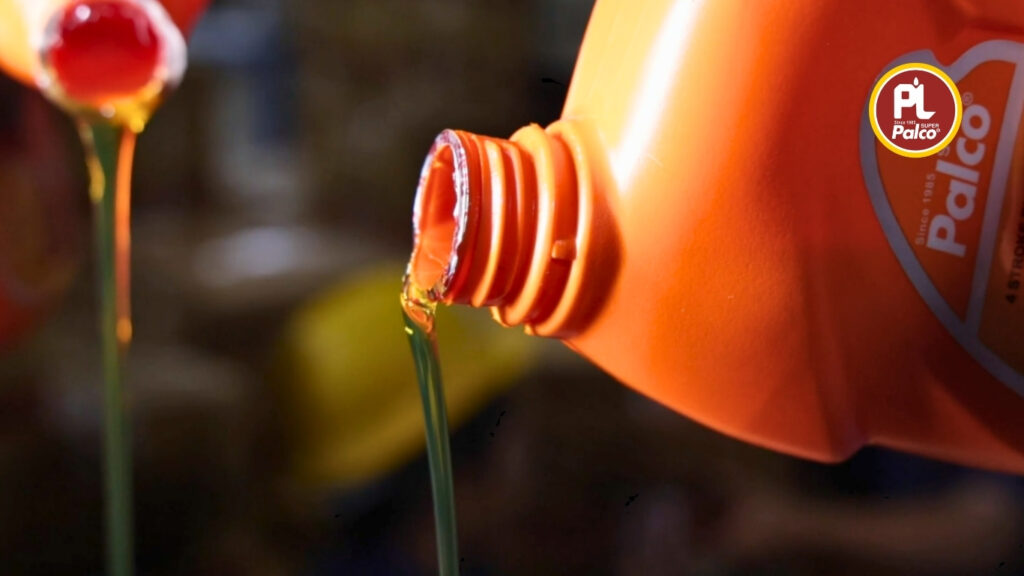
Modern engine oil technology helps engines run cleaner, smoother, and more efficiently while providing reliable protection in every drive.
For much of automotive history, engine oil was viewed as a supporting component of mobility. Essential, certainly, but rarely central to conversations surrounding engineering evolution, environmental responsibility, or technological advancement.
That perception no longer reflects reality.
Today, modern engine oil technology sits at the intersection of performance engineering, emissions compliance, fuel economy, sustainability, and advanced mobility systems. The modern engine oil is no longer merely expected to reduce friction between moving parts. It is expected to function as a highly engineered fluid capable of operating within increasingly complex mechanical environments while contributing directly to efficiency targets and environmental objectives.
The pace at which engine oils are evolving globally is not accidental. It is the direct result of a profound transformation taking place across the automotive and industrial landscape.
Modern engines are changing rapidly. Mobility itself is changing rapidly. Consequently, lubrication technology is being forced to evolve at a pace never witnessed before.
Modern Engine Oil Technology for High-Stress Powertrains
Across global automotive markets, manufacturers are under unprecedented pressure to deliver vehicles that are simultaneously more fuel-efficient, lower in emissions, lighter in weight, and higher in performance.
The result has been a dramatic shift in engine architecture.
Smaller displacement turbocharged engines have increasingly replaced larger naturally aspirated platforms. Direct injection systems have become standard. Start-stop technology has become widespread. Hybrid drivetrains are expanding across passenger mobility segments. Internal tolerances have become tighter, operating temperatures higher, and combustion pressures significantly more aggressive.
While these developments improve efficiency and regulatory compliance, they also create a far more demanding operating environment for lubricants.
Products developed through modern engine oil technology must now withstand:
- Severe thermal stress
- Higher oxidation exposure
- Elevated piston deposit formation
- Turbocharger heat concentration
- Increased shear stress
- Faster operating cycles
- Extended drain intervals
- Frequent cold-start conditions
In effect, the lubricant has evolved from a maintenance product into a precision-engineered performance system.
The sophistication required in modern lubricant formulation is now comparable to many other advanced automotive technologies.
How Modern Engine Oil Technology Supports Emission Compliance
Perhaps the single largest force driving lubricant evolution worldwide is the tightening framework of global emission regulations.
Governments and regulatory bodies across Europe, North America, Asia, and emerging markets continue to impose stricter emission norms aimed at reducing particulate matter, nitrogen oxides, sulphur emissions, and overall carbon output.
Whether through Euro VI standards, Bharat Stage VI regulations, or evolving global decarbonization policies, automotive manufacturers are being compelled to redesign engines around cleaner combustion systems and more advanced exhaust after-treatment technologies.
This has fundamentally altered modern engine oil technology and lubricant chemistry.
Modern emission control systems such as:
- Diesel Particulate Filters (DPF)
- Exhaust Gas Recirculation (EGR)
- Selective Catalytic Reduction (SCR)
- Gasoline Particulate Filters (GPF)
- Advanced catalytic converters
Are highly sensitive to lubricant composition.
Conventional lubricant technologies containing elevated levels of sulphated ash, phosphorus, and sulphur can compromise the long-term efficiency of these systems. As a result, lubricant manufacturers have been forced to develop highly specialized low-SAPS and mid-SAPS formulations capable of balancing engine protection with emissions-system compatibility.
This represents a major scientific challenge.
Reducing certain additive elements may improve emissions-system longevity, but it also requires lubricant engineers to maintain wear protection, oxidation stability, thermal durability, and cleanliness through alternative advanced chemistries.
The modern lubricant industry is therefore no longer driven solely by tribology. It is increasingly shaped by environmental engineering and regulatory science.
Modern Engine Oil Technology and Low-Viscosity Oils
One of the most visible changes in the global lubricant market is the rapid adoption of lower-viscosity engine oils.
Grades such as 0W20, 0W16, and 5W30 are now increasingly recommended across modern passenger vehicles worldwide, replacing heavier viscosity formulations that dominated previous decades.
The reason is fundamentally linked to efficiency.
Lower-viscosity lubricants reduce hydrodynamic friction within the engine, allowing moving components to operate with lower resistance. Even marginal reductions in friction can translate into measurable gains in fuel economy and reductions in carbon emissions when scaled across millions of vehicles globally.
However, creating lower-viscosity lubricants that still deliver robust engine protection is an exceptionally complex engineering challenge.
A thinner lubricant must continue to provide:
- Adequate oil film strength
- High-temperature stability
- Wear protection under load
- Deposit resistance
- Oxidation control
- Long-term viscosity retention
Achieving this balance requires highly refined base oils, advanced synthetic technologies, and sophisticated additive systems developed through extensive research and testing.
The shift toward low-viscosity oils therefore, reflects far more than a change in grade preference. It reflects the broader transformation of lubrication science toward efficiency-driven engineering.
Turbocharging Has Permanently Changed Lubrication Requirements
Turbochargers have become central to modern engine design because they allow manufacturers to extract greater power output from smaller engines while improving fuel efficiency and reducing emissions.
Yet turbocharging also introduces some of the harshest operating conditions encountered within internal combustion systems.
Turbocharger shafts can rotate at rotational speeds exceeding 200,000 RPM while simultaneously being exposed to extreme exhaust-side temperatures. Under such conditions, lubricant stability becomes critically important.
Inadequate lubricant performance can lead to:
- Thermal breakdown
- Oil coking
- Deposit accumulation
- Reduced lubrication efficiency
- Premature turbocharger wear
As turbocharged engines become increasingly common across both passenger and commercial vehicle segments, lubricant performance expectations continue to rise accordingly.
The lubricant is now expected to survive conditions that were once considered highly specialized operating environments.
Hybrid Mobility Is Creating New Lubrication Challenges
The rise of hybrid vehicles is introducing another significant shift in global lubrication requirements.
Unlike traditional internal combustion systems that operate continuously, hybrid powertrains frequently alternate between electric propulsion and combustion operation. This creates highly irregular engine cycles characterized by repeated starts and stops.
Such operating patterns introduce unique lubricant challenges:
- Increased cold-start frequency
- Moisture accumulation
- Fuel dilution risks
- Lower sustained operating temperatures
- Irregular thermal cycling
Lubricants developed through traditional formulations are being replaced by modern engine oil technology engineered for hybrid systems.
As hybrid adoption accelerates globally, lubricant manufacturers are investing heavily in formulations specifically engineered for hybrid operating environments, where efficiency, durability, and rapid lubrication response become critically important.
Lubricants Have Become Strategic Engineering Components
One of the most important realities shaping the industry today is that lubricants are no longer secondary considerations in vehicle development.
Automotive manufacturers increasingly design modern powertrains alongside highly specific lubricant requirements. Engine efficiency targets, durability benchmarks, emissions compliance, and warranty performance are now deeply interconnected with lubricant formulation.
This is why OEM approvals and international performance standards have become increasingly stringent and technically demanding.
Modern engine oils are highly specialized formulations developed around:
- Specific engine architectures
- Emission-system compatibility
- Operating temperatures
- Driving conditions
- Fuel quality variations
- Regional climatic demands
The era of generic lubrication is rapidly disappearing.
At Paras Lubricants Limited, this transformation reflects a broader global movement toward technologically advanced lubrication systems where formulation precision, application-specific engineering, and long-term performance reliability are becoming increasingly critical across automotive and industrial sectors alike.
India Represents One of the World’s Most Demanding Lubrication Environments
While lubricant technology is evolving globally, the challenges within India are particularly intense.
Indian operating conditions combine:
- Extreme ambient temperatures
- Dense urban traffic
- Frequent idling
- Dust-heavy environments
- Variable road conditions
- High commercial load cycles
- Diverse fuel quality conditions
These factors create operating environments significantly more severe than standardized laboratory conditions.
Engines operating in Indian conditions often experience elevated thermal stress, accelerated oxidation exposure, and greater contamination risks. Consequently, modern engine oil technology, lubricant quality, and formulation integrity become critically important for long-term reliability.
The implementation of Bharat Stage VI norms has further accelerated the transition toward advanced lubrication technologies within the Indian market. Simultaneously, growing consumer awareness regarding fuel economy, drain intervals, and engine longevity is driving increased demand for higher-performance lubricants across both passenger and commercial segments.
This transition is not merely commercial in nature. It reflects the growing technical maturity of the market itself.
At Paras Lubricants Limited, the increasing focus on modern lubricant technologies mirrors the broader evolution of the industry toward cleaner mobility, higher efficiency standards, and application-oriented lubrication solutions capable of meeting the demands of contemporary operating conditions.
The Future of Lubrication Will Be Defined by Innovation
The lubricant industry is entering one of the most technologically transformative periods in its history.
Electrification, hybrid mobility, alternative fuels, advanced emission systems, sustainability mandates, and next-generation engine architectures are collectively redefining the role lubricants must play within modern mobility ecosystems.
In the coming years, lubricant performance will increasingly be measured not only by protection and durability, but by contribution toward:
- Energy efficiency
- Emissions reduction
- Thermal management
- Sustainability targets
- Component longevity
- System-level optimization
The modern engine oil is no longer a passive fluid circulating through machinery.
It has become an active engineering medium central to the performance, efficiency, and environmental viability of modern transportation.
And as automotive technologies continue to evolve at unprecedented speed, lubricant innovation will no longer remain an industry advantage. It will become an industrial necessity.