
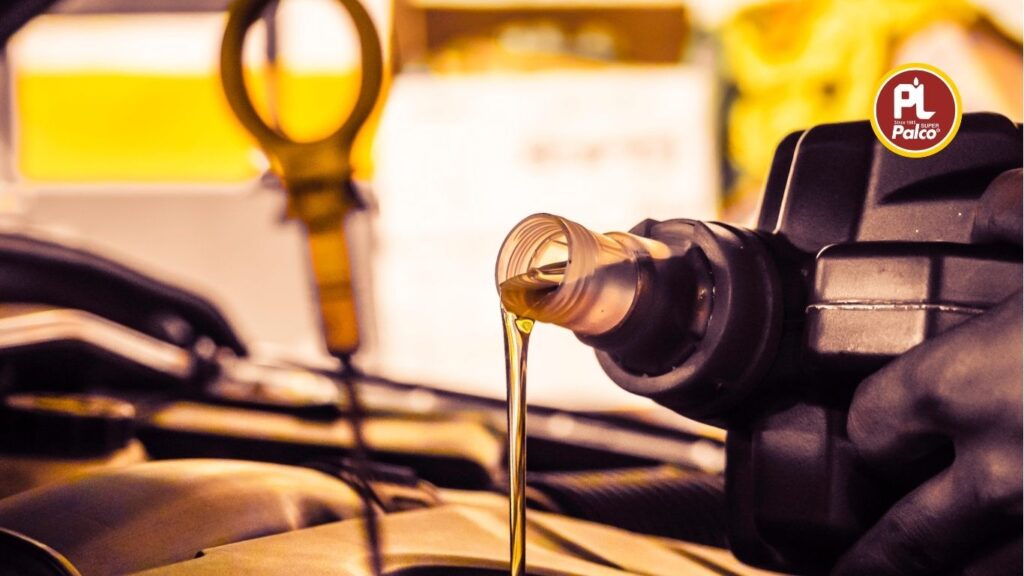
Learn how often to change motorcycle engine oil in India with expert oil change intervals, maintenance tips, and engine care advice from PALCO for better performance.
For most motorcycle owners in India, an oil change is treated as a routine service activity. The bike goes to the workshop, the mechanic drains the old oil, fresh oil is poured in, and the motorcycle is ready for the road again. But very few riders stop to ask an important question: Was the oil changed at the right time?
Knowing how often to change motorcycle engine oil matters more than most riders realise. Timely oil changes help maintain engine performance, fuel efficiency, and long-term reliability.
Engine oil is one of the most important protectors inside a motorcycle engine. It reduces friction, protects moving parts, helps manage heat, keeps the engine cleaner, supports smooth gear shifting, and contributes to long-term engine reliability. When the oil is fresh and suitable for the motorcycle, the engine feels smooth, responsive, and refined. When the oil becomes old, contaminated, or weak, the difference slowly starts showing in performance.
Many riders wait until the motorcycle starts sounding rough before changing engine oil. Others change oil only when the mechanic reminds them. Some stretch oil change intervals to save money. But in reality, engine oil should be changed before it loses its ability to protect the engine.
In Indian riding conditions, this becomes even more important. Motorcycles here are exposed to heavy traffic, long idling, summer heat, dusty roads, frequent braking, short-distance rides, and irregular maintenance habits. These conditions can make engine oil degrade faster than expected.
For motorcycles that require 10W30 grade oil, using a dependable product like PALCO Solitaire 10W30 and replacing it at the right interval can help maintain smooth performance, engine cleanliness, wear protection, and long-term reliability.
Why Motorcycle Engine Oil Is So Important
A motorcycle engine works under intense stress. Inside the engine, metal parts move rapidly at high temperatures and under constant pressure. Without proper lubrication, these parts would rub against each other, creating heat, wear, and eventually serious damage.
Engine oil creates a protective film between moving surfaces. This film reduces direct metal-to-metal contact and allows the engine to run smoothly. But lubrication is only one part of its job.
A good motorcycle engine oil also helps in:
Reducing friction inside the engine.
Protecting components from wear and tear.
Helping control engine temperature.
Keeping internal parts cleaner.
Reducing deposit and sludge formation.
Protecting against rust and corrosion.
Supporting smoother clutch and gear operation.
Maintaining consistent engine performance.
In many motorcycles, engine oil is also involved in gearbox and clutch operation. This means old or incorrect oil may not only affect engine protection but also riding comfort. Riders may feel harder gear shifts, rough clutch engagement, or reduced smoothness.
That is why timely oil replacement is not optional. It is a basic part of responsible motorcycle ownership.
Why Engine Oil Needs to Be Changed
Engine oil does not remain fresh forever. Every time the motorcycle runs, the oil is exposed to heat, pressure, contamination, and chemical breakdown. Over time, its protective ability reduces.
As engine oil circulates inside the engine, it collects carbon particles, microscopic metal particles, dust-related contaminants, fuel residues, and combustion by-products. Its additives gradually get used up. Its viscosity may change. Its ability to resist heat and oxidation reduces.
When old oil continues running inside the engine, it can lead to several problems:
Increased internal friction.
Rough engine sound.
Harder gear shifting.
Higher engine temperature.
Reduced pickup and throttle response.
Poor fuel efficiency.
Increased wear on engine parts.
Sludge and deposit formation.
Loss of riding smoothness.
The problem is that these effects do not always appear suddenly. Engine wear can happen slowly. By the time the rider notices obvious symptoms, the oil may already have lost much of its protective strength.
Changing engine oil at the right interval helps prevent these issues before they become expensive repairs.
What Is the Standard Motorcycle Engine Oil Change Interval?
There is no single oil change interval that applies to every motorcycle. The correct interval depends on the motorcycle model, engine design, oil type, riding conditions, and manufacturer recommendation.
For many motorcycles in India, engine oil is commonly changed somewhere between 2,000 km and 4,000 km. Some modern motorcycles may allow longer intervals, especially when higher-quality oil and proper filters are used. However, this should never be assumed without checking the owner’s manual.
Understanding how often to change motorcycle engine oil also depends on riding conditions and oil quality. The owner’s manual is always the first reference. It mentions the recommended oil grade, oil capacity, service interval, and sometimes different guidance for normal and severe riding conditions.
Understanding how often to change motorcycle engine oil becomes even more important because Indian riding conditions are often closer to severe usage than ideal usage. A motorcycle used daily in traffic, heat, dust, and on short rides may require more frequent oil changes than a motorcycle used occasionally on clean, open roads.
So, while the manual gives the official interval, riders should also pay attention to real-world usage.
Why Indian Riding Conditions Are Tough on Engine Oil
India is one of the most demanding environments for motorcycles. A bike used in Indian conditions rarely gets a smooth, predictable operating cycle. The engine may be started cold in the morning, ridden through traffic, stopped at multiple signals, parked in the sun, restarted, used for short trips, and then ridden again in the evening.
This repeated stress affects engine oil.
Heavy Traffic
In city traffic, motorcycles spend a lot of time moving slowly or standing still with the engine running. When airflow is limited, the engine may run hotter. Oil has to work harder to reduce friction and manage heat.
Frequent Start-Stop Riding
Every time the engine is started, oil must circulate quickly to protect moving parts. Frequent short trips create repeated start-up cycles, which can increase oil stress.
High Summer Temperatures
Indian summers can be extremely hot. High ambient temperature adds to the heat already generated inside the engine. Oil must maintain its protective film even when the engine is running hot.
Dusty Roads
Dust is common in many Indian cities, construction zones, highways, rural roads, and industrial areas. While air filters protect the engine, poor filtration or delayed maintenance can increase contamination risk.
Short Rides
Short rides may not allow the engine to fully stabilize at operating temperature for long. This can contribute to moisture accumulation and faster oil aging in some conditions.
Long Idling
Many riders keep the engine running at signals, roadside stops, or while waiting. Idling may look harmless, but the engine is still generating heat while the motorcycle is not covering distance. This means oil is aging even when kilometres are not increasing much.
Because of these conditions, motorcycle engine oil in India may degrade faster than riders expect.
Should Oil Change Be Based on Kilometres or Time?
A common question riders ask is whether engine oil should be changed by kilometres or by time. The answer is both matter.
If you ride daily, kilometres are a practical measure. Once your motorcycle reaches the recommended oil change distance, the oil should be replaced.
But if your motorcycle is used less often, time becomes important. Engine oil can age even when the bike is not used much. Moisture, oxidation, temperature changes, and contamination can affect oil quality over time.
For example, a rider who travels 40 km daily may reach the oil change interval quickly. A rider who uses the bike only on weekends may not cover many kilometres, but the oil may still need replacement after a certain number of months.
This is why riders should follow both:
The kilometre interval mentioned in the manual.
The time interval recommended by the manufacturer.
Whichever comes first should be followed.
Signs That Your Motorcycle Engine Oil Needs Changing
Even if you follow a service schedule, your bike may show signs that the oil needs replacement earlier. These signs should not be ignored.
1. Increased Engine Noise
A healthy motorcycle engine has a familiar sound. If the engine suddenly starts sounding rough, harsh, or louder than usual, the oil may have lost its lubricating strength.
Fresh oil creates a protective layer between moving parts. Old oil may fail to maintain that layer properly, resulting in increased mechanical noise.
2. Hard Gear Shifting
In many motorcycles, engine oil also supports gearbox performance. When oil becomes old or degraded, gear shifting may feel harder.
You may notice difficulty in shifting gears, rough transitions, or trouble finding neutral. This is especially noticeable in traffic where frequent gear changes are required.
3. Reduced Pickup
If the bike feels heavy or sluggish, degraded oil may be increasing internal friction. The engine may not respond as quickly as before, and acceleration may feel dull.
This does not always mean a major mechanical fault. Sometimes, timely oil replacement can restore smoother performance.
4. Higher Engine Heat
Old oil cannot manage heat as effectively as fresh oil. If the engine feels hotter than usual, especially during normal riding, oil condition should be checked.
Engine heating can also be caused by other issues, but oil is one of the first things that should be inspected.
5. Dark, Dirty, or Gritty Oil
Engine oil naturally becomes darker with use, but very dirty, thick, burnt-smelling, or gritty oil is a warning sign. Gritty oil may contain contaminants that can increase wear inside the engine.
Checking oil condition regularly is a simple but useful habit.
6. Drop in Mileage
Old oil increases friction. Increased friction means the engine needs more effort to operate, which can affect fuel efficiency.
If your motorcycle’s mileage has dropped and tyre pressure, air filter, spark plug, and riding style are normal, engine oil may be one of the reasons.
7. Rough Clutch Feel
If clutch engagement feels rough or jerky, oil condition may be affecting the wet clutch system in motorcycles, where engine oil also serves the clutch.
Why Oil Quality Matters as Much as Oil Change Timing
Changing oil on time is important, but using the right quality of oil is equally important. A poor-quality oil may not provide stable performance throughout the service interval. It may break down faster, create deposits, or fail to protect properly under heat and load.
A good motorcycle engine oil should offer:
Stable viscosity across operating conditions.
Strong wear protection.
Good thermal stability.
Deposit and sludge control.
Rust and corrosion protection.
Smooth engine feel.
Consistent performance during daily use.
For motorcycles requiring 10W30, PALCO Solitaire 10W30 is designed to deliver dependable lubrication and protection in regular riding conditions. It supports smooth engine operation and helps protect components from wear and operating stress when used as recommended.
The important point is that oil should match the motorcycle’s required grade. Even a good product must be used in the right application.
Why 10W30 Is Common in Many Modern Motorcycles
Many modern motorcycles are designed for improved fuel efficiency, smoother performance, and reduced internal friction. To support these goals, manufacturers often recommend lighter-viscosity oils such as 10W30 for specific models.
A 10W30 oil flows well during start-up and maintains the required protection when the engine reaches operating temperature. This makes it suitable for many daily-use motorcycles where quick lubrication and smooth operation are important.
In city riding, where motorcycles are started and stopped frequently, quick oil flow can help protect the engine during repeated start-up cycles. At the same time, the oil must maintain enough film strength when the engine is hot.
PALCO Solitaire 10W30 fits this requirement for motorcycles that need 10W30-grade engine oil. It is suitable for riders who want a balanced engine oil for daily commuting, regular city use, and dependable performance.
Can You Extend Engine Oil Change Intervals?
Some riders try to extend oil change intervals to save money. On the surface, delaying an oil change may look economical. But in reality, it can increase long-term maintenance costs.
Old oil can lead to sludge, increased wear, overheating, rough shifting, reduced performance, and poor mileage. Engine repairs are far more expensive than regular oil changes.
Extending oil change intervals is especially risky if the bike is used in severe conditions such as:
Heavy traffic.
Long idling.
Dusty roads.
Hot weather.
Daily commuting.
Short-distance repeated rides.
High-load riding.
If your riding conditions are demanding, it is better to inspect oil more frequently and avoid stretching the interval unnecessarily.
What Happens If You Keep Riding With Old Oil?
Riding with old engine oil can slowly affect the engine in multiple ways.
First, the oil loses its ability to reduce friction effectively. This increases wear on moving parts. Second, the oil may become contaminated and begin forming deposits. Third, heat control may become weaker, causing the engine to run hotter. Fourth, riding comfort may reduce because of rough engine sound and hard gear shifting.
In severe cases, delayed oil changes can contribute to major engine damage. While this may not happen immediately, repeated neglect can shorten engine life.
A disciplined oil change routine is one of the simplest ways to protect your motorcycle.
Oil Change Tips for Better Engine Life
To maintain your motorcycle properly, follow these practical tips:
Use the oil grade recommended by your motorcycle manufacturer.
Change oil at the correct interval.
Do not wait for the engine to sound rough before changing oil.
Check oil level regularly.
Replace the oil filter where applicable.
Avoid mixing different grades unnecessarily.
Do not use old or contaminated oil.
Avoid overfilling or underfilling oil.
Get servicing done by trained technicians.
Monitor engine sound, pickup, gear shifting, and heat.
These habits are simple but highly effective. A motorcycle that receives regular oil care usually performs better, sounds smoother, and lasts longer.
How Often to Change Motorcycle Engine Oil for Daily Riders?
Daily riders should be more disciplined about oil changes because their motorcycles experience repeated heat cycles and traffic stress.
If you ride every day for office, college, field work, delivery, or business use, follow the manufacturer’s recommended interval carefully. If your riding involves heavy traffic, dusty roads, or long idling, oil condition should be inspected more frequently.
For motorcycles requiring 10W30, replacing old oil with a suitable option such as PALCO Solitaire 10W30 at the right interval can help support smooth performance and engine protection.
How Often Should Occasional Riders Change Engine Oil?
Riders who use their motorcycle occasionally should not ignore oil changes just because the bike has not covered many kilometres.
Oil can age over time. If a motorcycle is parked for long periods, moisture and oxidation may still affect oil quality. Occasional riders should follow the time-based interval recommended in the owner’s manual.
Before using the bike after a long gap, it is also wise to check oil level and condition.
Should You Change Oil Before a Long Ride?
Yes, if your oil is close to the replacement interval, it is better to change it before a long ride. Long-distance riding puts continuous load on the engine. Fresh oil helps maintain lubrication, temperature control, and smoothness during extended operation.
Before a long ride, also check:
Oil level.
Tyre pressure.
Chain lubrication.
Brake condition.
Air filter.
Lights and battery.
A timely oil change can make the ride smoother and safer for the engine.
Choosing the Right Engine Oil for Your Bike
The best engine oil is not simply the most expensive oil or the thickest oil. It is the oil that matches your motorcycle’s recommended grade and performance requirement.
Before buying engine oil, check:
The viscosity grade recommended in the owner’s manual.
The required performance specification.
The type of motorcycle and engine design.
Your riding conditions.
The oil change interval.
If your motorcycle requires 10W30, PALCO Solitaire 10W30 is a suitable choice designed to support regular motorcycle performance, lubrication, and protection.
Conclusion
Knowing how often to change motorcycle engine oil is one of the most important maintenance habits for every rider in India. In Indian riding conditions, where motorcycles face heavy traffic, heat, dust, frequent start-stop riding, and long idling, timely oil replacement helps maintain engine performance, reliability, and long-term protection.
Engine oil should not be changed only when the bike starts sounding rough. It should be changed before its protective ability reduces. Riders should follow the manufacturer’s recommended interval, check oil condition regularly, and use the correct oil grade.
For motorcycles that require 10W30 engine oil, PALCO Solitaire 10W30 can help support smooth performance, reliable lubrication, and long-term engine protection when used as recommended. With the right oil and disciplined maintenance, your motorcycle can deliver better comfort, efficiency, and reliability for years.
Frequently Asked Questions
How often should I change motorcycle engine oil in India?
The interval depends on your motorcycle model and manufacturer recommendation. Many motorcycles require oil changes between 2,000 km and 4,000 km, but some modern bikes may allow different intervals. Always check your owner’s manual.
Should I change bike oil based on kilometres or months?
Both matter. If you ride regularly, follow the kilometre interval. If your bike is used less often, follow the time interval recommended by the manufacturer. Whichever comes first should be followed.
Can old engine oil damage my bike?
Yes. Old oil can lose its protective ability, increase friction, cause sludge, raise engine temperature, reduce mileage, and contribute to engine wear.
Is 10W30 engine oil good for daily use?
Yes, 10W30 is good for daily use if your motorcycle manufacturer recommends this grade. It supports quick oil flow, smooth operation, and efficient performance in suitable engines.
Does PALCO Solitaire 10W30 support smooth riding?
Yes. PALCO Solitaire 10W30 is formulated for motorcycles requiring 10W30-grade engine oil and supports smooth engine operation, lubrication, and wear protection.
Can I extend my oil change interval to save money?
It is not recommended. Delaying oil changes may save a small amount initially but can increase long-term repair costs due to wear, sludge, overheating, and reduced performance.
Why does my bike sound rough before an oil change?
A rough engine sound may occur when the oil has lost some of its lubricating strength. It can also indicate low oil level, old oil, or other mechanical issues.
Should I change oil before a long ride?
If your engine oil is close to its replacement interval, it is better to replace it with PALCO motorcycle engine oil before a long ride. Fresh oil helps protect the engine during continuous operation.