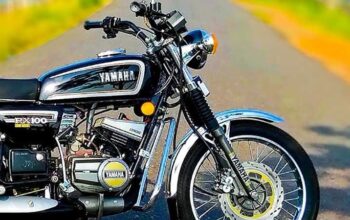


Find the best engine oil for daily commuter bikes with PALCO Solitaire 10W30. Improve mileage, protect your engine, and enjoy smooth, reliable city rides.
Daily commuter motorcycles work much harder than many people realize. They may not always run at very high speeds, but they face a different kind of stress every day. A commuter bike is started in the morning, ridden through traffic, stopped at signals, shifted through gears repeatedly, parked for hours, restarted in the evening, and used again through crowded roads. This pattern may look ordinary, but for the engine, it means continuous heat cycles, frequent load changes, and repeated lubrication demands.
In India, motorcycles are not just used for leisure. For millions of riders, they are a practical part of everyday life. They are used for office travel, college commutes, business visits, delivery work, market runs, field jobs, and family responsibilities. Because of this, a commuter motorcycle needs to remain reliable, fuel-efficient, smooth, and easy to maintain.
One of the most important factors behind this reliability is engine oil. Choosing the best engine oil for daily commuter bikes can help support smooth starts, reduce friction, maintain mileage, protect moving parts, and improve daily riding comfort. The wrong grade, old oil, or poor-quality oil can affect performance over time.
Many modern commuter motorcycles recommend 10W30 engine oil because it offers a balanced combination of flow, efficiency, and protection. For motorcycles requiring this grade, PALCO Solitaire 10W30 is designed to support reliable daily performance, smooth operation, and engine protection when used according to the motorcycle manufacturer’s recommendation.
Why Daily Commuter Bikes Need Special Attention
A daily commuter bike may not look like it is being used in extreme conditions, but the reality is different. City and daily-use motorcycles often experience more frequent stress cycles than bikes used occasionally for long highway rides.
A commuter motorcycle may face:
Frequent start-stop movement.
Repeated gear changes.
Long idling at traffic signals.
Short-distance trips.
Dusty roads.
High summer temperatures.
Potholes and uneven roads.
Variable riding speeds.
Regular pillion riding.
Daily load and heat cycles.
This kind of usage puts continuous pressure on the engine oil. The oil must work quickly during start-up, maintain protection when the engine heats up, reduce friction during traffic riding, and continue supporting smooth performance throughout the day.
That is why daily riders should not treat engine oil selection casually.
What Daily Commuter Bikes Need From Engine Oil
A daily commuter motorcycle needs engine oil that can perform consistently under changing conditions. The engine may be cold at the start of the day, hot during traffic, and then cold again after being parked. This cycle may repeat several times.
A good commuter bike engine oil should:
Flow quickly during start-up.
Reduce friction between moving parts.
Protect against wear and tear.
Support fuel efficiency.
Help keep the engine clean.
Maintain smooth gear shifting.
Support clutch operation in suitable motorcycles.
Perform consistently in city traffic.
Handle repeated heat cycles.
Maintain engine refinement.
The correct oil grade helps the engine stay smooth and efficient over time. It does not only protect the engine during long rides but also during short, repeated, everyday rides.
Why Start-Stop Riding Is Tough on Engine Oil
City traffic is one of the toughest conditions for a commuter motorcycle. In traffic, the engine rarely operates at a steady speed for long. The rider accelerates, brakes, shifts gears, stops, idles, and starts again repeatedly.
This start-stop pattern creates multiple challenges.
First, the engine temperature keeps changing. The bike may heat up in traffic and then cool down after being parked. Repeated heating and cooling can stress the engine oil over time.
Second, during short rides, the engine may not remain at stable operating temperature long enough. This can affect oil performance, especially if the bike is used only for very short trips.
Third, long idling creates heat without much airflow. The motorcycle is not moving fast enough to cool naturally, but the engine continues running.
Fourth, repeated gear changes place additional demand on oil in motorcycles where engine oil also supports gearbox and clutch operation.
A suitable engine oil helps maintain lubrication through these changing conditions.
Understanding Engine Oil Grades
Engine oil grades such as 10W30, 20W40, or 10W40 describe the viscosity of the oil. Viscosity means how thick or thin the oil is and how easily it flows.
In a grade like 10W30:
10W indicates the oil’s cold-start flow behavior.
30 indicates the oil’s viscosity at normal operating temperature.
The first number matters because oil must circulate quickly when the engine is started. The second number matters because the oil must maintain protection when the engine is hot.
For commuter motorcycles, this balance is very important. The oil must not be so thick that it slows circulation or increases drag. It must also not be too thin for the engine’s design.
The correct grade is always the one recommended by the motorcycle manufacturer.
Why 10W30 Is Popular for Modern Commuter Bikes
Many modern commuter motorcycles are designed for fuel efficiency, smoother performance, and reduced internal friction. To support these goals, manufacturers often recommend lower viscosity oils such as 10W30 for specific models.
10W30 is popular for many commuter bikes because it offers a practical balance of flow and protection. It circulates well during start-up and maintains the required viscosity when the engine reaches operating temperature.
Its benefits may include:
Faster oil circulation during start-up.
Reduced internal drag.
Smoother engine feel.
Better fuel efficiency support.
Suitable protection for recommended engines.
Comfortable daily riding experience.
Improved refinement in regular use.
For riders who use their bikes every day, this balance is important. A daily commuter motorcycle should feel easy, smooth, responsive, and dependable.
However, 10W30 should be used only in motorcycles where this grade is recommended or allowed.
Mileage and Engine Oil: What Riders Should Know
Daily commuters care deeply about mileage. Fuel efficiency directly affects monthly running cost. A bike that gives better mileage is easier to manage for office riders, students, field executives, delivery riders, and regular city users.
Engine oil plays a clear role in mileage because it affects friction inside the engine. When the correct oil grade is used, internal parts move more smoothly. Less friction means the engine can operate more efficiently.
If the oil is too thick for the engine, the engine may need more effort to move internal components. This can reduce fuel efficiency. If the oil is old or degraded, friction may increase, and mileage may drop.
Using the correct grade, such as 10W30 in motorcycles that require it, helps support efficient operation. Still, mileage depends on several other factors as well.
To maintain mileage, riders should also check:
Tyre pressure.
Air filter condition.
Spark plug health.
Chain lubrication.
Fuel quality.
Riding speed.
Traffic conditions.
Clutch usage.
Service schedule.
Engine oil is not the only factor behind mileage, but it is one of the most important maintenance factors.
Engine Protection During Traffic
Traffic riding creates heat. When a motorcycle moves slowly, airflow around the engine is limited. The engine continues producing heat, but cooling may not be as effective as it is at steady speeds.
Engine oil helps reduce friction and carries heat away from internal components. This is why oil quality and condition matter during daily commuting.
A good oil protects components even during repeated traffic riding. It helps maintain lubrication between moving surfaces and reduces wear during regular use.
For motorcycles that require 10W30 oil, PALCO Solitaire 10W30 helps provide lubrication and protection in daily riding conditions. It supports smoother operation and helps the engine handle regular commuting stress when changed at the right interval.
Smooth Gear Shifting for Daily Riding
Daily commuting involves frequent gear changes. A rider in city traffic may shift gears dozens of times in a single ride. If gear shifting becomes hard, rough, or jerky, the ride becomes uncomfortable.
In many motorcycles, engine oil affects gearbox and clutch feel. Fresh, correct-grade oil helps support smoother gear movement and better ride comfort. Old oil, degraded oil, or incorrect oil grade can make gear shifting feel harder.
Common signs that oil may be affecting gear feel include:
Difficulty finding neutral.
Hard gear shifts.
Jerky clutch engagement.
Rough acceleration.
Less smooth movement in traffic.
If gear shifting becomes rough and the oil change interval is close or overdue, oil condition should be checked.
Choosing the Best Engine Oil for Daily Commuter Bikes
The best engine oil for daily commuter bikes should not be chosen by guesswork. The right oil grade is determined by the motorcycle manufacturer’s recommendation.
Do not choose oil only based on:
Price.
Mechanic habit.
Availability.
Advice from another rider.
Belief that thicker oil is always better.
Brand name without checking grade.
Instead, check:
Owner’s manual.
Service booklet.
Manufacturer recommendation.
Oil grade mentioned by authorized service center.
Vehicle age and condition.
Riding environment.
If your commuter motorcycle recommends 10W30, PALCO Solitaire 10W30 is a suitable option for regular maintenance. If your bike recommends another grade, that grade should be followed.
Why Thicker Oil Is Not Always Better
Many riders believe that thicker oil provides stronger protection. This may be true only when the engine is designed for thicker oil. In a modern commuter motorcycle designed for 10W30, using a much thicker oil may create unnecessary drag.
Thicker oil can affect:
Fuel efficiency.
Cold-start oil circulation.
Engine smoothness.
Throttle response.
Gear shift feel.
The engine may still run, but it may not operate as efficiently as designed.
The correct oil grade provides the right balance between protection and efficiency. This is why following the manual is more important than following common myths.
How Often Should Daily Commuters Change Oil?
Daily riders should be disciplined about oil changes. Since commuter bikes are used frequently, engine oil degrades over time due to heat, traffic, contamination, and repeated start-stop cycles.
The correct interval depends on the motorcycle model and manufacturer recommendation. Always follow the oil change interval mentioned in the owner’s manual.
However, daily commuters should inspect oil more carefully if they ride in:
Heavy traffic.
Dusty roads.
Hot weather.
Short-distance repeated trips.
Long idling conditions.
Delivery or commercial usage.
Regular pillion riding.
In severe conditions, oil may need closer inspection and timely replacement.
Signs That Your Commuter Bike Oil Needs Attention
Daily riders should watch for early warning signs. Your motorcycle may need oil inspection or replacement if you notice:
Rough engine sound.
Hard gear shifting.
Weak pickup.
Drop in mileage.
Engine heating more than usual.
Dark, dirty, or gritty oil.
Low oil level.
Rough clutch feel.
More vibration than usual.
These signs should not be ignored. Early oil replacement can help prevent bigger problems.
Why PALCO Solitaire 10W30 Is Relevant for Daily Riders
PALCO Solitaire 10W30 is formulated for motorcycles requiring 10W30 engine oil. It supports smooth operation, wear protection, and reliable performance for everyday use.
For riders who depend on their motorcycles daily, consistent lubrication is essential. A daily commuter bike needs oil that can handle repeated starts, traffic stress, and regular riding conditions. PALCO Solitaire 10W30 fits the needs of motorcycles designed for this viscosity grade.
It is suitable for:
Daily commuters.
City riders.
Office and college riders.
Field executives.
Regular-use motorcycles.
Bikes requiring 10W30 grade oil.
The product should always be used according to the vehicle manufacturer’s recommendation.
Practical Maintenance Tips for Daily Riders
To keep your commuter bike healthy, follow these simple habits:
Check oil level weekly.
Change oil at the recommended interval.
Use the manufacturer-recommended oil grade.
Maintain correct tyre pressure.
Clean or replace the air filter regularly.
Keep the chain lubricated.
Avoid harsh acceleration.
Do not ride continuously with half clutch.
Avoid unnecessary idling.
Do not overload the motorcycle.
Service the bike regularly.
Watch for unusual engine sound or heat.
These habits improve performance, mileage, ride comfort, and engine life.
Choosing the Right Engine Oil Grade for Commuter Bikes
A common mistake is choosing an oil grade because it is popular. But engine oil selection should always be based on compatibility.
Even if 10W30 is common in many modern commuter motorcycles, it does not mean every motorcycle should use it. Some bikes may require 20W40, 10W40, 15W50, or another grade.
The best oil grade is the one that matches your motorcycle’s engineering requirement.
For motorcycles requiring 10W30, a reliable 10W30 oil such as PALCO Solitaire 10W30 can help support smooth daily riding and protection. For motorcycles requiring another grade, the recommended grade should be used.
Conclusion
Daily commuter motorcycles need engine oil that can handle frequent use, traffic stress, heat, short rides, long idling, repeated starts, and regular gear changes. The right oil grade helps protect the engine, support fuel efficiency, maintain smoothness, and improve riding comfort.
The best engine oil grade depends on the motorcycle manufacturer’s recommendation. Many modern commuter motorcycles are designed for 10W30 because it offers a balanced combination of quick flow, reduced internal drag, fuel efficiency support, and protection.
For such motorcycles, PALCO Solitaire 10W30 provides a dependable choice for smooth performance, engine protection, and daily ride comfort. Choosing the right oil grade and changing it on time can help your motorcycle stay reliable, efficient, and comfortable for years.
Frequently Asked Questions
Which engine oil is best for daily commuter bikes?
The best engine oil is the grade recommended by your motorcycle manufacturer. For many modern commuter bikes, 10W30 is commonly recommended, but always check the owner’s manual.
Is 10W30 good for daily use?
Yes, 10W30 is good for daily use if your motorcycle is designed for this grade. It supports quick oil flow, smooth operation, and efficient performance in suitable engines.
Does engine oil affect daily ride smoothness?
Yes. Correct engine oil helps reduce friction, supports smoother gear shifting, and improves overall ride comfort.
Can PALCO Solitaire 10W30 be used for commuter bikes?
Yes. PALCO Solitaire 10W30 can be used in commuter motorcycles that require or allow 10W30 grade engine oil.
Can wrong engine oil reduce mileage?
Yes. Using the wrong oil grade or old oil can increase friction and reduce fuel efficiency.
How often should commuter bike oil be changed?
Follow the oil change interval mentioned in your motorcycle owner’s manual. If you ride in heavy traffic, dusty roads, or severe conditions, inspect oil more frequently.
Is thicker oil better for commuter bikes?
Not always. Thicker oil is only suitable if the manufacturer recommends it. In bikes designed for 10W30, thicker oil may reduce efficiency and smoothness.
Why is oil grade important for commuter motorcycles?
Oil grade affects flow, friction, protection, mileage, gear shifting, and engine smoothness. The right grade helps the motorcycle perform as designed.