
Explore how the Indian lubrication industry is evolving with changing technology, growing demand, and solutions that keep vehicles and industries running smoothly.
Over the last few years, the Indian lubrication industry has quietly entered a new phase. Growth is no longer just about expanding dealer networks or increasing production capacity. The conversation has shifted toward financial discipline, technology adoption, product specialization, and long-term resilience.
From my vantage point within the Indian lubrication industry, the opportunity ahead is significant. However, it requires sharper strategic thinking than ever before.
Moving Beyond Volume-Led Growth
For a long time, lubricant growth in India closely followed automotive expansion. As vehicle numbers increased, so did lubricant consumption. The model was relatively predictable.
That predictability has changed.
Raw material volatility, especially in base oils and additives, now directly impacts margins. Regulatory upgrades such as BS6 have increased formulation complexity. Customers are more performance-conscious. Industrial buyers demand consistency, documentation, and reliability.
The future of the Indian lubrication industry lies not in chasing volumes alone, but in strengthening product mix, improving realization per liter, and building durable brand trust.
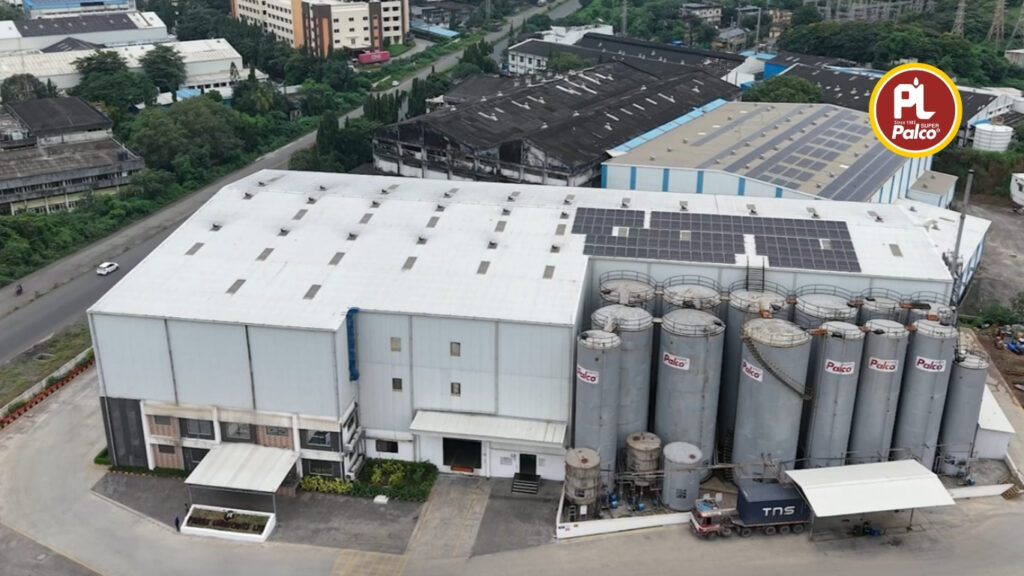
At Paras Lubricants Limited – Palco, this shift has meant placing greater emphasis on quality systems, portfolio optimization, and financial prudence rather than short-term market capture.
Financial Discipline as the Core Strategy
In manufacturing, ambition without capital discipline can quickly become a liability.
One of the most critical priorities for lubricant companies today is capital allocation. Expansion must be aligned with demand visibility. Working capital cycles must be controlled. Credit discipline across distribution networks must improve.
In my experience, many companies in our industry face pressure not because demand is weak, but because cash flow management is inconsistent. Excess inventory, unstructured credit, and misaligned capacity expansion quietly dilute profitability.
The next generation of Indian lubricant manufacturers will need to treat finance as a strategic function. Profitability must be protected through structured procurement, forecasting accuracy, and operational efficiency.
Growth is important. Sustainable growth is essential.
Technology and Systems Will Drive Efficiency
Across the Indian lubrication industry, technology is no longer optional.
Automation in blending, improved quality control systems, ERP integration, and demand forecasting tools are becoming fundamental. They reduce errors, improve traceability, and enhance decision-making.
At Palco, strengthening backend systems has been as important as strengthening front-end distribution. When production planning, sales forecasting, and inventory management speak to each other, capital efficiency improves naturally.
This is not about digitization for its own sake. It is about building a scalable, financially structured organization.
Export Orientation: The Untapped Multiplier
India has the potential to emerge as a stronger global supplier of lubricants. Competitive production costs, skilled formulation teams, and improving quality standards give Indian manufacturers an edge.
However, exports require consistency. International certifications, documentation standards, packaging quality, and logistics reliability must match global expectations.
Over the next 5-10 years, Indian lubricant companies that develop structured export strategies will create diversified revenue streams and reduce dependence on domestic cycles.
The focus should not be opportunistic shipments, but long-term international positioning.
Adapting to EV and Industrial Shifts
The growth of electric vehicles often raises concerns about lubricant demand. While engine oil volumes may eventually moderate, the broader lubrication ecosystem remains intact.
Industrial lubricants, specialty fluids, greases, and transmission oils continue to offer growth opportunities. Infrastructure development and manufacturing expansion in India will sustain demand across multiple segments.
The right strategy is balance. Invest in evolving segments without overreacting to headlines. Diversification, rather than disruption anxiety, will define stability.
Consolidation and Brand Integrity
The Indian lubricant market remains fragmented. Over time, consolidation is inevitable. Brands built on consistent performance and financial discipline will endure.
In this industry, trust is built in workshops, fleets, and factories, not in campaigns alone. A single quality compromise can undo years of credibility.
That is why sustainable growth must be anchored in formulation integrity and process discipline.
From a strategic standpoint, brand equity and financial health must grow together. One without the other creates imbalance.
Supply Chain Resilience as a Strategic Priority
Recent global events have reminded manufacturers how fragile supply chains can be. Base oil availability, shipping costs, and geopolitical shifts influence pricing structures.
Future-ready lubricant companies must diversify sourcing, maintain prudent safety stocks, and build strong supplier relationships. This is no longer just an operational issue. It is central to financial stability.
Structured procurement and long-term partnerships can protect margins during volatile cycles.
A Realistic Vision for the Next Decade
Looking ahead, the Indian lubrication industry is likely to see:
- Gradual premiumization of product portfolios
- Stronger regulatory oversight
- Increased export participation
- Technology-led operational transformation
- Measured consolidation
The real opportunity lies in building structurally strong organizations.
From my perspective, the vision is clear: Indian lubricant manufacturers must evolve from being cost-competitive players to strategically disciplined, globally respected brands.
At Palco, the emphasis remains on steady expansion, financial clarity, quality commitment, and long-term positioning rather than short bursts of growth.
If the industry aligns capital discipline with technical innovation and global ambition, the next decade can redefine India’s position in the global lubrication landscape. The foundation is already in place. The task ahead is disciplined execution.