
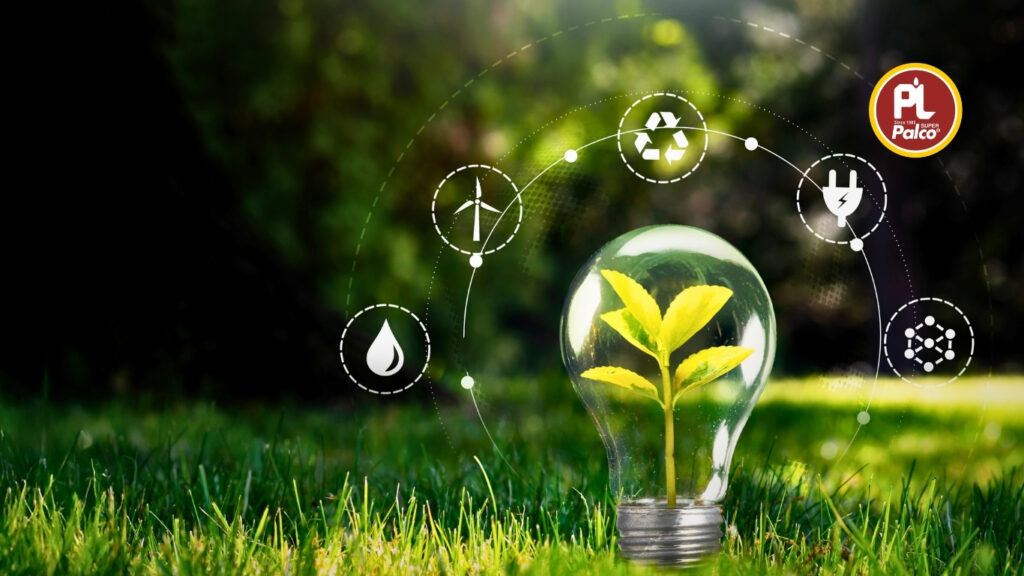
Green manufacturing helps reduce waste, save resources, and create quality products through cleaner processes that support a more sustainable future.
Building Sustainable Growth Through Quality Leadership
In the early years of the lubricant industry, growth was simple to measure. Today, Green Manufacturing in Lubricant Industry has become a key driver of responsible and sustainable growth. More production. More distributors. More markets.
Today, the definition feels different. The real measure of growth is whether expansion is happening responsibly, whether the systems we build today will still make sense ten or twenty years from now.
In the lubricant industry, this shift is becoming impossible to ignore. Environmental accountability is no longer separate from production strategy. It sits at the same table as quality control, energy planning, and technical development.
At Paras Lubricants Limited – Palco, this transition did not happen overnight. It evolved gradually, through operational decisions, plant upgrades, and internal discussions about what long-term leadership should look like.
Green Manufacturing in Lubricant Industry: From Policy to Practice
There is a difference between talking about sustainability and designing plants around it.
For a lubricant manufacturer, environmental responsibility begins at the blending unit. It shows up in how water is treated, how heating systems are fueled, how waste is segregated, and how packaging is sourced.
Zero Liquid Discharge (ZLD) systems are one such example. Treating and reusing wastewater within the plant is not just about compliance. It forces tighter monitoring. It strengthens process discipline. It builds awareness across teams that every input has value.
Over time, this mindset changes how operations function. Sustainability becomes part of quality assurance.
Energy Decisions That Reflect Leadership
Energy is one of the largest operational costs in lubricant production. It is also one of the largest contributors to emissions.
The move toward solar installations and cleaner fuels like Piped Natural Gas (PNG) was not driven by trend. It was driven by long-term thinking. Cleaner energy reduces environmental impact, but it also brings stability to heating systems and blending cycles.
Stable heating directly influences batch consistency. Consistency defines product reliability. In that sense, responsible energy planning strengthens technical performance.
Decisions like these often require upfront commitment. But leadership is rarely about choosing the easier route. It is about choosing the more sustainable one.
Water as a Strategic Resource
In India, water risk is real. Manufacturing units cannot afford to treat water as an unlimited utility.
Rainwater harvesting systems integrated into plant infrastructure have become part of forward planning. Capturing monsoon water, filtering it, and reusing it internally supports operational continuity and local groundwater recharge.
At Palco, initiatives like these reflect a simple principle: industrial growth should not come at the cost of community resources.
Sustainable manufacturing builds trust not only with customers, but also with the ecosystem around it.
Responsibility Beyond the Factory Gates
Lubricants reach customers in plastic containers. That reality carries responsibility.
Extended Producer Responsibility (EPR) frameworks and Post-Consumer Recycled (PCR) material adoption require traceability, partnerships, and structured monitoring. Packaging can no longer be an afterthought.
Circular thinking requires planning at the design stage itself. It demands that production, procurement, and compliance teams work in alignment.
These systems may not always be visible to the end customer. But over time, they shape the credibility of the brand.
Technical Leadership Through Product Engineering
Green manufacturing does not stop at infrastructure. It must extend to product formulation.
A high-performance lubricant that improves fuel efficiency and extends drain intervals reduces overall environmental load during its lifecycle. Fewer oil changes. Lower friction. Reduced wear. Reduced emissions.
Life Cycle Assessment (LCA) thinking encourages deeper evaluation, from raw material sourcing to end-of-life disposal.
At Palco discussions around product development increasingly consider both performance and sustainability. The objective is not to compromise on quality. It is to ensure that technical advancement supports environmental responsibility.
True technical leadership lies in balancing both.
Culture Determines Continuity
Infrastructure can be installed in months. Culture takes years.
LED lighting, motion sensors, cleaner fuels, and waste segregation systems only deliver impact when employees understand why they matter. When sustainability becomes part of everyday operational language, change becomes consistent rather than temporary.
In many ways, the most important transformation happens quietly, when teams start viewing efficiency as responsibility, not just productivity.
That cultural shift defines long-term success.
Looking Ahead
The lubricant industry is evolving. Regulations are tightening. Customers are more informed. Global markets expect higher standards.
Growth will continue. Demand will rise. But leadership will increasingly be judged by how intelligently companies integrate sustainability into production systems.
For organizations like Palco, the path forward is clear. Quality, production excellence, and technical depth must move in alignment with environmental responsibility.
Sustainability is not a destination that can be declared achieved. It is a discipline that must be practiced continuously. If manufacturing is about building systems that endure, then green manufacturing is simply good manufacturing, designed with foresight, executed with discipline, and guided by responsibility.